Animals
- Animals
A giant tortoise is caught hunting and eating a baby bird
New video captures the first recorded instance of a tortoise hunting another animal.
- Animals
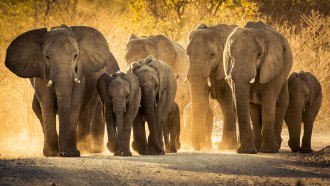
Let’s learn about elephants
Check out five wild facts you may not know about a familiar animal: the elephant.
- Animals
Will the woolly mammoth return?
Scientists are using genetic engineering and cloning to try to bring back extinct species or save endangered ones. Here’s how and why.
- Animals
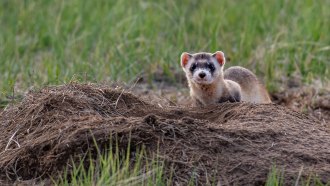
Cloning boosts endangered black-footed ferrets
A cloned ferret named Elizabeth Ann brings genetic diversity to a species that nearly went extinct in the 1980s.
- Animals
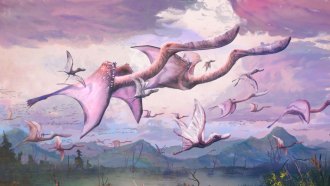
Baby pterosaurs may have been able to fly right after hatching
A bone crucial for lift-off was stronger in hatchling pterosaurs than in adults. The baby reptiles also had shorter, broader wings than grown-ups.
- Animals
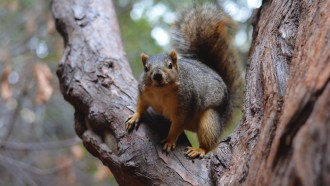
Squirrels use parkour tricks to leap from branch to branch
Squirrels navigate through trees by making rapid calculations. They have to balance trade-offs between branch flexibility and the distance between tree limbs.
- Animals
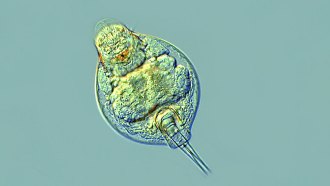
Tiny animals survive 24,000 years in suspended animation
Tiny bdelloid rotifers awake from a 24,000-year slumber when freed from the Arctic permafrost.
- Animals
Some pikas survive winter by eating yak poop
Pikas endure bone-chilling cold on the Tibetan Plateau by using little energy and fueling up on yak poop.
- Animals
Analyze This: Sharks aren’t as scary as what you see on TV
In Shark Week shows, scientists found mixed messages about sharks, insufficient research support and little info on conserving endangered animals.
- Animals
Endangered or just rare? Statistics give meaning to the head counts
Whether studying tiny birds or massive whales, researchers collect a lot of data. The field of statistics helps them make sense of those data.
- Animals
Even raised by people, wolves don’t tune into you like your dog
Dog puppies outpace wolf pups at engaging with humans, even with less exposure to people, supporting the idea that domestication changed dogs’ brains.
- Animals
Here’s how sea otters stay warm without blubber or a large body
For the smallest mammal in the ocean, staying warm is tough. Now, scientists have figured out how the animals’ cells rise to the challenge.