Animals
- Animals
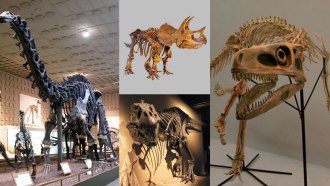
Scientists are rethinking the dinosaur family tree
The dinosaur family tree consists of three main branches. Or maybe not. A new study suggests a rewrite is due.
- Animals
Industrious badger caught burying an entire cow
Badgers are known to bury small animals. That allows them to save a meal for future dining. Now researchers have caught them caching something much bigger: young cows.
- Animals
Among mice, scratching is catching — as in contagious
Contagious itching spreads by sight, mouse-to-mouse. Scientists have now identified brain structures behind this phenomenon.
- Animals
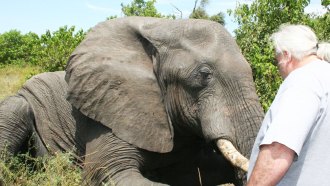
Wild elephants sleep for only two hours at night
New measurements suggest that wild elephants may need less sleep than any other mammal.
- Animals
Frog’s gift of grab comes from saliva and squishy tissue
What puts the grip in a frog’s high-speed strike? Quick-change saliva and a super-soft tongue, scientists find.
- Animals
Cool Jobs: A world aglow
Three scientists probe how the natural world makes light, in hopes of using this information to design new and better products.
- Animals
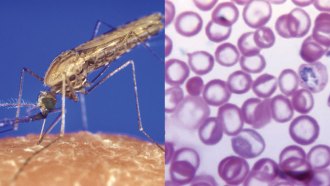
Malaria parasites lure mosquitoes to infected hosts
Malaria parasites leave behind an alluring molecule in their hosts’ blood. It draws mosquitoes to sip it, helping spread the disease these carry.
- Health & Medicine
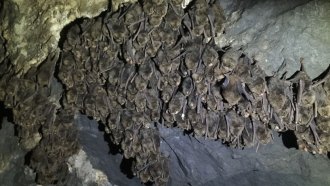
Hibernation: Secrets of the big sleep
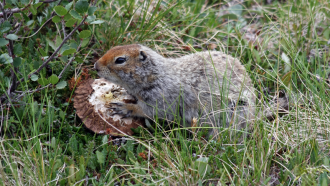
Mammals from bears to squirrels hibernate the winter away. Learning how they do it might one day help people mimic aspects of it to heal from brain injuries or voyage to Mars.
- Animals
Explainer: How brief can hibernation be?
Many animals frequently slow body functions and drop their temperatures — sometimes for just a day. Is that hibernation, or just torpor? Are the two even related? Scientists disagree.
- Agriculture
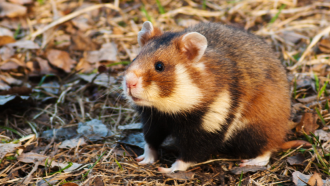
Wild hamsters raised on corn eat their young alive
European hamsters raised in the lab turn into crazy cannibals when fed a diet rich in corn, new data show. The problem may trace to a shortage of a key vitamin.
- Animals
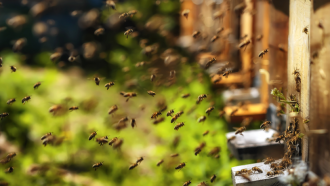
Cool Jobs: Abuzz for bees
These scientists are keeping bees healthy, making medicines for people from honey and constructing bee-inspired robots.
- Animals
Scientists Say: Hibernation
Hibernation is more than a deep sleep. Animals that hibernate lower their body temperature and reduce their body activities for months.