Climate
- Climate
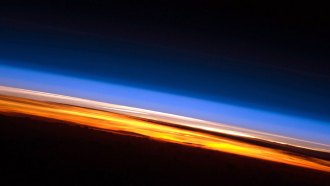
Climate change is upping the height of Earth’s lower atmosphere
The upper edge of the troposphere, the slice of sky closest to the ground, rose 50 to 60 meters (165 to 200 feet) a decade from 1980 to 2020.
- Animals
As the tropics warm, some birds are shrinking
Migratory birds are getting smaller as temperatures climb, studies had showed. New evidence shows dozens of tropical, nonmigratory species are, too.
- Animals
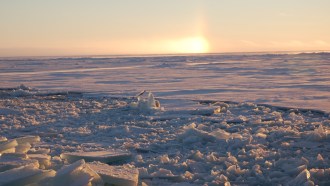
Can scientists develop an icy sanctuary for Arctic life?
The final refuge for summer sea ice may also protect the creatures that depend on it. Saving it is an ambitious goal with many hurdles.
- Climate
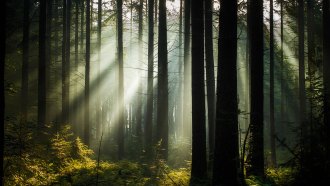
Secret forest fungi partner with plants — and help the climate
Forest fungi are far more than mere mushrooms. They explore. They move nutrients and messages between plants. They can even help fight climate change.
- Climate
Scientists Say: El Niño and La Niña
El Niño and La Niña are part of a climate cycle that results in major weather changes every few years.
- Climate
Here’s how some sea-loving trees ended up far from the coast
This “relict ecosystem” that’s more than thousands of years old moved inland due to warming and a rise in sea levels.
- Climate
Research on climate and more brings trio the 2021 physics Nobel Prize
Syukuro Manabe and Klaus Hasselmann pioneered work on simulations of Earth’s climate. Giorgio Parisi probed complex materials.
- Climate
Warming cities may see more rain — and frequent flooding
Scientists are seeking to understand why and how to mop up excess precipitation.
- Climate
Explainer: Urban heat islands and how to cool them
Cities transform landscapes covered in plants to ones covered in heat-absorbing asphalt and concrete. But ways exist to cool these urban heat islands.
- Climate
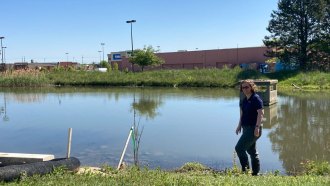
Stores and malls buy into ponds and rain gardens for flood control
An extra bonus: These rainy-day ponds clean up that dirty water running off parking lots.
- Climate
New UN climate report finds no time for denial or delay
It links extreme weather around the globe to Earth’s changing climate.
- Climate
‘Zombie’ wildfires can reemerge after wintering underground
Climate change may make these not-quite-dead blazes more common. Scientists are learning to predict where a zombie might emerge.