Computing
- Computing
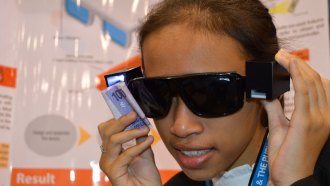
New device identifies money by its color
Two teens have invented a gadget that can help the blind identify the value of a banknote based on its color.
- Computing
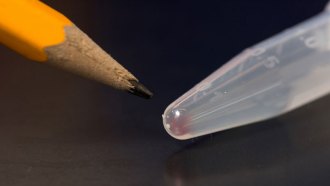
DNA can now store images, video and other types of data
Tiny test tubes might one day replace sprawling data-storage centers, thanks to a new way to encode and retrieve information on strands of synthetic DNA.
- Computing
Feeling objects that aren’t there
A new technology uses high-frequency sound waves to create virtual objects you can feel. Its uses include better video games and safer driving.
- Brain
When smartphones go to school
Students who use smartphones and other mobile technology in class may well be driven to distraction. And that can hurt grades, studies show.
- Computing
Radios: Build your own!
Building AM radios let young researchers from across the globe tune into electronics and engineering.
- Computing
These young scientists are passionate about tech and math
The 2015 Broadcom MASTERS International delegates show why math and computer skills are key to the success of science-fair projects.
- Computing
Robo-roach squeezes through tight spaces
An arched shell helps a new cockroach-inspired robot move through an obstacle course with relative ease.
- Computing
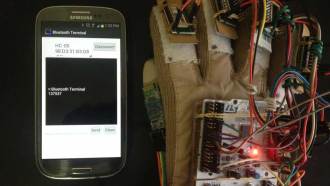
Computing: Swapping a glove for the keyboard
Sensor-studded gloves, designed by a Texas teen, might someday serve as a virtual keyboard or musical instrument — or even help interpret sign language.
- Brain
Hands-free but still distracted
When people aren’t distracted, they can see a traffic light change very quickly. But a teen scientist now shows that texting — even with a hands-free device — gets dangerously slow.
- Animals
What’s the buzz? A new mosquito lure
Broadcasting a fake buzz can lure male Aedes aegypti mosquitoes away from females. That could reduce populations of these annoying — and disease-causing — insects, reports a teen at the 2015 Intel ISEF competition.
- Computing
3-D Recycling: Grind, melt, print!
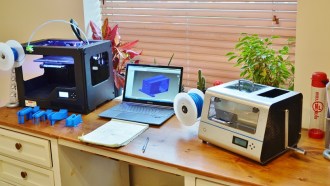
A new 2-in-1 desktop machine quickly recycles plastic trash into low-cost 3-D printer ‘ink’ at the push of a button.
- Physics
Science in Hollywood
Audiences are getting smarter, so the makers of movies, TV shows and video games are responding by enlisting scientists to make everything on screen appear even more authentic.