Genetics
- Animals
Living mysteries: This critter has 38 times more DNA than you do
The genomes of salamanders are bloated with genetic “parasites.” That extra DNA slows down their lives and strands them in perpetual childhood.
- Animals
Rats can chronicle human history
Rats have lived alongside people for thousands of years. Now, scientists can study the rats and their leavings to learn more about ourselves.
- Genetics
Scientists Say: DNA
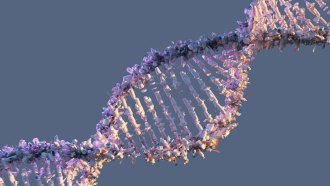
Short for deoxyribonucleic acid, DNA is the molecule that determines how each living thing looks and works.
- Animals
A dog’s breed doesn’t say much about its behavior
Many people associate dog breeds with specific behavioral traits. But breed appears to account for only about 9 percent of behavioral differences.
- Animals
Losing some genes may explain how vampire bats can live on blood
Loss of 13 genes active in other bats could support the vampires’ blood-eating strategies and adaptations.
- Animals
Infected caterpillars become zombies that climb to their deaths
By tampering with genes involved in vision, a virus can send caterpillars on a doomed quest for sunlight.
- Animals
Surprise! Sixteen tiny wasp species found masquerading as one
Scientists used new and old tools to overturn 160-year-old ideas about this wasp. They show you can’t tell a wasp by its looks.
- Health & Medicine
Sickle-cell gene therapies offer hope — and challenges
Doctor Erica Esrick discusses existing treatments and an ongoing clinical trial for a gene therapy to treat sickle cell disease.
- Genetics
Explainer: What is sickle cell disease?
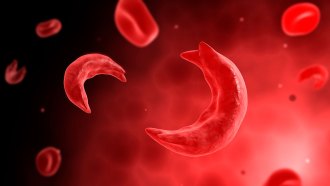
Gene mutations can alter an individual’s hemoglobin in ways that curl their blood cells. This can cause painful sickle cell disease.
- Animals
DNA in air can help ID unseen animals nearby
Analyzing these genetic residues in air offers a new way to study animals. It could give scientists a chance to monitor rare or hard to find animals.
- Animals
Meat-eating bees have something in common with vultures
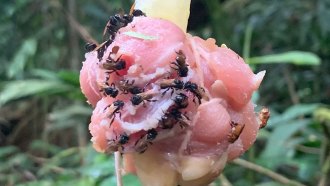
Flesh-eating bees have acid-producing gut bacteria, much as vultures do. It lets them safely snack on rotting meat.
- Archaeology
Genetics show humans likely trace back to Africa
Our history began looking ever more complex once geneticists revealed our ancestors picked up new DNA as they traveled across time and continents.