Humans
- Health & Medicine
Vision-ary high tech
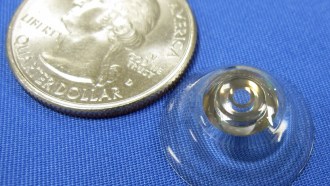
New devices are being developed to improve, restore or preserve the vision of people with eye diseases, such as glaucoma and macular degeneration. One device is a telescopic contact lens than can be zoomed with a wink.
- Health & Medicine
The steady creep of less sleep
More than half of all teens 15 and older get less than seven hours of sleep, according to a new study. That is two to three hours less than recommended. Overall, teens are sleeping less with each passing year, data show.
- Health & Medicine
When a part makes you whole
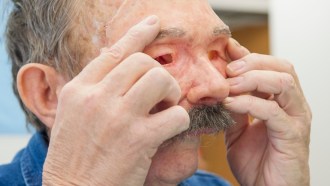
New technologies allow medical experts to create remarkably detailed artificial faces. They can help restore the appearance — and the confidence and self-esteem — of patients who have suffered a disfiguring injury or disease.
- Health & Medicine
Skip the soft drinks, period
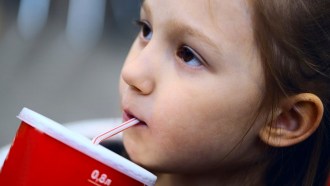
Beyond the quest for trim waistlines and cavity-free teeth, girls have another reason to shun sodas and other sweetened drinks. These beverages may help launch the body’s menstrual cycles at an earlier age.
- Health & Medicine
Teens exhibit a zeal to heal
Broadcom MASTERS is the premier middle school science and engineering competition. Several 2014 finalists showed a flair for biomedicine. These young researchers tackled everything from diagnosing cancer early to alerting drowsy drivers before they fall asleep at the wheel.
- Brain
Screen time can mess with the body’s ‘clock’
Reading on an iPad in the evening can make it harder to fall asleep — and harder to wake up the next morning, a new study finds. The light from its screen tinkers with the body’s clock. And that could risk harming your health.
- Health & Medicine
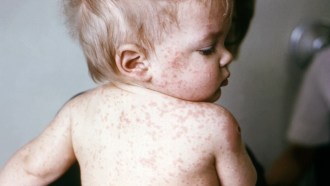
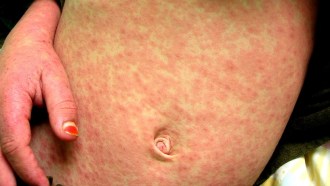
U.S. outbreak of measles emerges
The United States is experiencing an outbreak of measles. A traveler likely brought in the virus from abroad, which is now spreading. Most of those infected were never vaccinated and could now face serious health risks.
- Health & Medicine
10 things to know about measles
Many people think that the measles vaccine wiped out the disease — at least in the United States. It hasn’t. And people who were never vaccinated face the primary risk of getting this very serious disease
- Health & Medicine
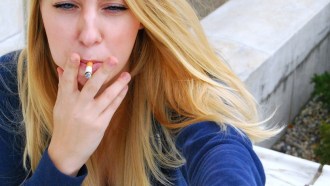
Most students wrong on risks of smoking occasionally
Teens know that heavy smoking can seriously harm health. But most, a new study finds, don’t realize that smoking only now and then also is harmful. Data from a survey highlight teens’ mistaken ideas about the risks of intermittent smoking.
- Genetics
Immunity: Environment can have big impact
A study on twins suggests that environmental factors can shape a person's immune system more than genes do.
- Brain
A new ‘spin’ on concussions
Scientists have suspected that rotational forces in the brain may underlie concussions. A new study used athletic mouthguards containing sensors. Data on head movements during collisions suggest that a twisting of the brain may underlie mild brain injuries, including concussion.
- Health & Medicine
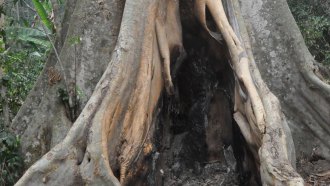
Ongoing Ebola outbreak traced to hollow tree
Scientists suspect the current Ebola outbreak started with bats that lived in a hollow tree in Guinea. The outbreak's first victim, a two-year-old boy, often played in the tree.