Humans
- Health & Medicine
Infected cutting boards
Germs can hitchhike into the kitchen on meat and many types of produce. A new study finds that some of those germs are particularly nasty. They are immune to the one or more of the drugs doctors would prescribe to wipe out the infection.
- Brain
Ghosts in your head
Many people see, feel and hear things that aren’t really there — despite how much their brain tries to convince them otherwise.
- Health & Medicine
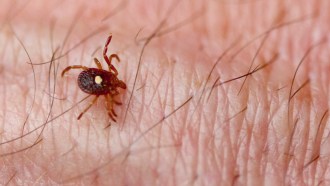
New ‘Heartland’ disease emerges in U.S. Midwest
A new viral disease causes major pain and flu-like symptoms. At present, no treatment or cure exists.
- Brain
Loneliness can breed disease
Everyone experiences loneliness from time to time. But when allowed to persist, loneliness can damage your health and steal years from your life.
- Health & Medicine
Explainer: Tips for overcoming loneliness
This assortment of tips can help overcome loneliness. The approach focuses on changing — for the better — those ways in which you and others interact.
- Animals
Explainer: How invasive species ratted out the tuatara
The introduction of rats to New Zealand led to huge population losses of the ancient tuatara. These uncommon reptiles vanished from the mainland. This left isolated populations to survive on several dozen isolated islands.
- Environment
Poisonings linked to e-cigarettes
A federal survey finds electronic cigarettes and the chemicals they burn are an increasing cause of reports of harm made to poison-control centers. Young children are often the victims.
- Health & Medicine
The nose knows a trillion scents
There's a long-standing claim that people can identify 10,000 different odors. But a new study suggests that people can actually identify at least 10,000 times that many scents.
- Health & Medicine
Intel STS finalist uses math to predict breast cancer spread
Intel STS finalist Esha Maiti developed a model to calculate the probability of cancer spreading to different areas of the body.
- Health & Medicine
Some of chocolate’s health benefits may trace to ‘bugs’
Dark chocolate offers people a number of health benefits. A new study finds that the breakdown of chocolate by microbes in the human gut be behind some benefits.
- Health & Medicine
The dangerous rise of electronic cigarettes
Electronic cigarettes were originally advertised as a way for smokers to wean themselves off of cigarettes. In fact, e-cigarettes are helping hook a whole new generation of young people on nicotine — an addiction that may transition back to tobacco.
- Health & Medicine
Explainer: What is a hookah?
Many teens are turning to water pipes as a potentially safer alternative to conventional cigarettes. But they’d be wrong.