Humans
- Animals
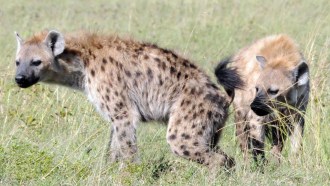
Germs explain some animal behaviors
The bacteria that people and other animals host in and on their bodies are invisible to the eye. Yet they can play a very visible role in behavior. It’s something scientists are just coming to appreciate.
- Animals
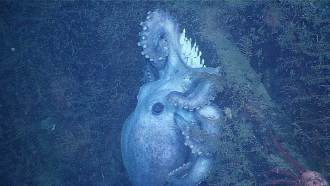
Octopus sets egg-nurturing record
Animals will do extraordinary things to help their babies survive. Consider ‘Octomom:’ She sat on one clutch of eggs for nearly 4.5 years.
- Tech
Fashioning inks to ‘print’ tissues
3-D printing may one day create life-saving tissues and organs for transplants. But first researchers are learning how to tailor cell-filled “inks” for use in inkjet printers.
- Microbes
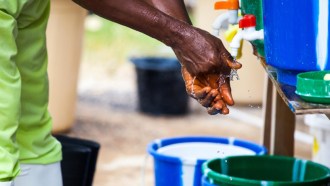
Record Ebola epidemic strikes
A record outbreak of the deadly disease has already claimed nearly 1,000 lives in West Africa. Scientists suspect bats or eating some other wild animals may have triggered the epidemic.
- Tech
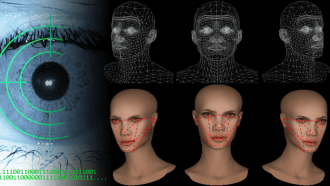
Biometrics: New IDs that are uniquely you
Fingerprints are so last century. Computers soon may start identifying people by their eyebrows, heartbeats or even networks of blood vessels under the skin.
- Brain
Lacrosse: Different genders, same injuries
Scientists find that boys’ and girls’ versions of lacrosse lead to similar injuries. Because girls frequently get concussions, the study argues that like the boys, girls too should wear helmets.
- Health & Medicine
Clay: A new way to fight germs?
Geologists have discovered a type of volcanic clay that shows promise in fighting infections — maybe even ones resistant to antibiotic medicines.
- Environment
Explainer: What are endocrine disruptors?
Some chemicals can act like hormones, turning on or off important processes in cells. That can harm development or even trigger disease.
- Health & Medicine
Screen time: Most U.S. teens overindulge
Too many 12- to 15-year olds spend hours each day doing little more than pushing buttons on the TV remote or a computer’s keyboard, a government survey finds.
- Genetics
High-altitude help from extinct ancestors
The Tibetan plateau is high in altitude but low in oxygen. An unusual version of one gene in Tibetans' DNA helps them survive this environment. And that gene appears to have been passed along from Denisovans, a Neandertal-like ancestor.
- Brain
Choosing shocks over contemplation
Some people think being alone is unpleasant. In one new study, some found choosing to get a painful shock helped them endure being alone for 15 minutes.
- Fossils
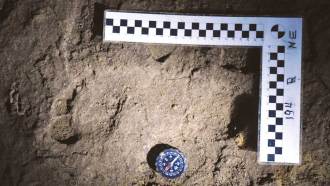
Newly dated footprints: Oldest human tracks?
These footprints, found nearly a half-century ago, may be almost four times older than first thought, scientists now report.