Life
- Brain
Zika birth defects: Concerns spread from head to toe
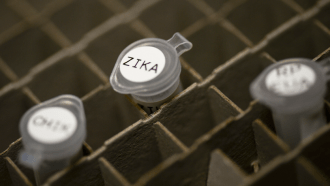
Zika infections may trigger problems well beyond babies born with small heads and brains. Scientists have begun linking a range of head-to-toe health ails to the virus.
- Animals
Our shocking eel story wins international prize
Roberta Kwok’s story on the shocking (and surprising) behaviors of electric eels was honored with a win for outstanding science writing.
- Genetics
New date for U.S. arrival of the AIDS virus
A new study shows that HIV started circulating at least a decade earlier than previously realized.
- Health & Medicine
Vaping may put your smile at risk
As e-cigarette use among teens rises, scientists find that vaping may cause cellular damage to the mouth, gums and teeth. Even the cells’ DNA was affected.
- Genetics
Human DNA carries hints of unknown extinct ancestor
A new study suggests people today carry genetic traces of now-extinct species unknown to science.
- Animals
Spidey sense: They can hear you!
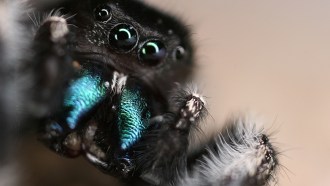
Surprise! At least some spiders can hear us. Even without eardrums, jumping spiders can still detect airborne sounds from across the room.
- Earth
Beaches can be a germy playground
Infectious microbes can flourish on sandy beaches. Scientists are now exploring how to find and monitor these hotspots for pollution that can make vacationers sick.
- Animals
Creative ways to help coral reefs recover
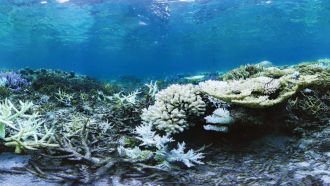
Coral reefs are under siege from threats ranging from climate change to explosives. But scientists are developing ways to rebuild reefs before they disappear.
- Brain
Pain is contagious — at least in mice
Pain can move from one mouse to another. The trigger may be smell.
- Earth
Water sensor quickly detects algal poison
A new sensor can detect poisons from harmful algae within minutes so that drinking-water plants can start timely treatments.
- Brain
Out-of-whack body clock causes more than sleepiness
When the body’s “clock” doesn’t match the cues its getting from outside, people can feel bad. Researchers are using math to explain this “circadian-time sickness.”
- Brain
Teen brains may have an advantage — better learning
The teen brain is infamous for prizing rewards and encouraging risky behavior. But their reward-driven behavior may help those teens learn some things better than adults.