Life
- Health & Medicine
Bullying hurts — but peer support really helps
Bullied kids face more mental illness as adults, new studies find. Other research suggests support from other kids can lessen the impacts.
- Animals
Scientists Say: Torpor
When an animal enters torpor, its body temperature goes down and so does the amount of energy it uses.
- Animals
Deep-sea mining could imperil rare, ghostlike octopus
A newly discovered octopus lays its eggs in a dangerous spot: where companies are looking to mine valuable metals for use in cell phones and computers.
- Brain
Stuttering: Blood flow in the brain may play a role
A new study shows people who stutter have less blood flow to a language center in the brain known as Broca’s area.
- Animals
What killed the dinosaurs?
New evidence is emerging that a devastating combo of events — an asteroid impact and supervolcanoes — may be behind the dinosaurs’ demise.
- Genetics
Explainer: How PCR works
The polymerase chain reaction, or PCR, is like a DNA-copying machine. It duplicates genetic material over and over. Here’s how.
- Genetics
Scientists find genes that make some kids’ hair uncombable
Scientists have pinpointed three genes that cause ‘uncombable hair syndrome’ in some kids.
- Animals
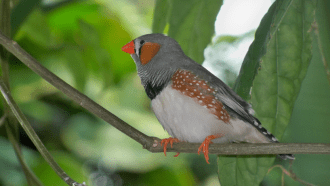
How birds know what not to tweet
How do birds perfect their pitches? The chemical dopamine spikes when they sing right, and dips when they drop a note, new data show.
- Brain
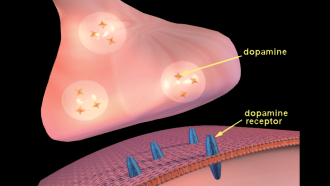
Explainer: What is dopamine?
Dopamine is a chemical messenger that carries signals between brain cells. It also gets blamed for addiction. And a shortage of it gets blamed for symptoms of diseases such as Parkinson’s.
- Brain
Explainer: What is neurotransmission?
When brain cells need to pass messages to one another, they use chemicals called neurotransmitters. This sharing of chemical secrets is known as neurotransmission.
- Agriculture
World’s tallest corn towers nearly 14 meters
Short nights and a genetic tweak helped novel corn reach record heights.
- Brain
Don’t let math stress you out
New research points to strategies for improving math performance in people who get stressed out by the numbers world.