Life
- Animals
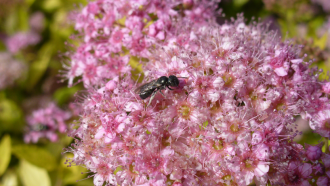
Bee underfeeds eldest daughter, creating ‘nursemaid’
By giving a brood’s firstborn female smaller portions and a low-protein diet, a mother bee can turn the offspring into a nursemaid for her younger siblings.
- Health & Medicine
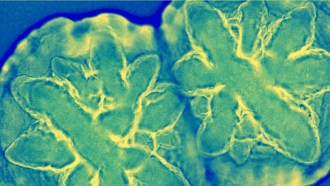
Mouth germs team up to boost disease risk
The oxygen given off by harmless mouth bacteria can help disease-causing invaders grow strong and flourish.
- Earth
These may be the oldest fossils on Earth
Some mini mounds in Greenland may just be the earliest evidence of life on Earth, deposited a mere 800,000 years after our planet first formed.
- Agriculture
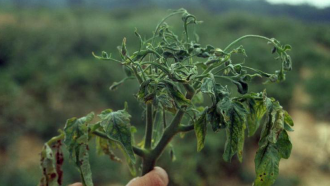
Sneaky! Virus sickens plants, but helps them multiply
The cucumber mosaic virus helps tomato plants lure pollinators. When the plants multiply, the virus now gets new hosts.
- Health & Medicine
U.S. to outlaw antibacterial soaps
Soaps with germ-killing compounds promise cleaner hands. But manufacturers couldn’t show they offer any safety advantage. Now the U.S. government is banning them.
- Brain
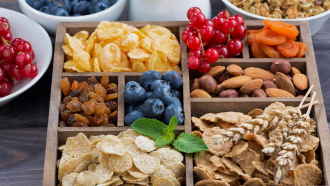
This supplement makes calorie-rich foods less tempting
A supplement that contains the fatty acid propionate causes the brain to rate high-calorie foods less appealing.
- Ecosystems
Scientists Say: Tundra
A tundra is an ecosystem found in Earth’s far north. It has a layer of soil deep underground that remains frozen — sometimes for thousands of years. But the top layer thaws in the summer, allowing plants to grow.
- Genetics
Young sunflowers keep time
The plants don’t just use light to follow the sun. An internal clock helps their stems bend as the sun moves across the sky.
- Animals
Cool Jobs: Linking animal health to human health
Scientists who watch out for diseases in wild animals also can play a role in keeping people from getting sick.
- Genetics
Explainer: What is epigenetics?
Epigenetics is the study of molecular “switches” that turn genes on and off. Tweak those switches and there could be big health consequences.
- Brain
Our eyes can see single specks of light
The human eye can detect a single photon. This discovery answers questions about how sensitive our eyes are. It hints at the possibility of using our eyes to study issues of quantum-scale physics.
- Animals
Beetles offer people lessons in moisture control
Taking tricks from a beetle, researchers are designing surfaces that collect water from the air or resist frost buildup.