Life
- Brain
Scents may affect how appealing tobacco is
Menthol’s effects on the brain may make tobacco more addicting. In contrast, foul odors might help smokers quit. Two new studies show how.
- Fossils
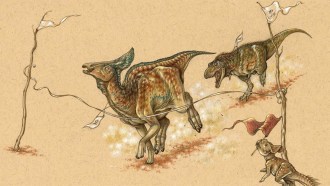
Dinos: Some were ‘marathoners’
The arrangement of major muscles in a duck-billed dinosaur’s legs would have helped them outrun predators such as T. rex, a new analysis suggests.
- Animals
Tar pit clues provide ice age news
New analyses of insects and mammals trapped in the La Brea Tar Pits point to climate surprises during the last ice age.
- Animals
Tiny — but mighty — food-cleanup crews
Discarded food wastes can turn city spaces into food courts for disease-carrying rats and pigeons. But a new study shows tiny cleanup crews — especially pavement ants — are doing their best to eliminate such wastes. This, in turn, makes cities less attractive to bigger pests.
- Animals
Climate change brings new neighborhood birds
Climate change has made winters a little bit warmer. Many bird species are now wintering a lot farther north than they did a few decades ago, a new study finds.
- Brain
Magnets may make helmets safer
Magnets in sports helmets could repel players’ heads as they move toward a collision. This should reduce the risk of the hard hits that lead to concussions.
- Brain
ADHD linked to air pollutants
Air pollution from cars and industries can spew pollutants known as PAHs. A new study shows children have a greater risk of ADHD if their mothers inhaled a lot of PAHs while pregnant.
- Animals
Crabs play defense, save corals
In 2008, an outbreak of large starfish killed off much of a coral reef. But some patches were spared. New data point to why: Mini crabs had fended off the big attackers.
- Genetics
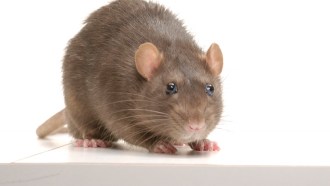
Why animals often ‘stand in’ for people
Rats, birds, fish — even flies and worms — can stand in for people in laboratory testing. This allows scientists to safely evaluate harmful chemicals as well as to identify and test potential new drugs. But such tests will never be a foolproof gauge of effects in people.
- Animals
Bat signals jammed
Mexican free-tailed bats can jam each other’s signals while hunting at night. The interference makes snagging an insect supper even more competitive for the flying mammals.
- Genetics
How ‘bugs’ in our bellies impact our health
Gut bacteria can play a powerful role in human health, new studies show. In one, bacteria turned a nutrient in red meat into a chemical that boosts the risk of a heart attack. Another study shows that our genes play a role in whether we are fat or thin, probably by affecting which bacteria prefer to live in our intestines.
- Brain
Can soft drinks speed aging?
A new study suggests a reason why daily sugary-soda drinkers are more prone to disease: Guzzling these drinks shortens the protective caps on chromosomes. If the caps get too short, cells die.