alien: A non-native organism. (in astronomy) Life on or from a distant world.
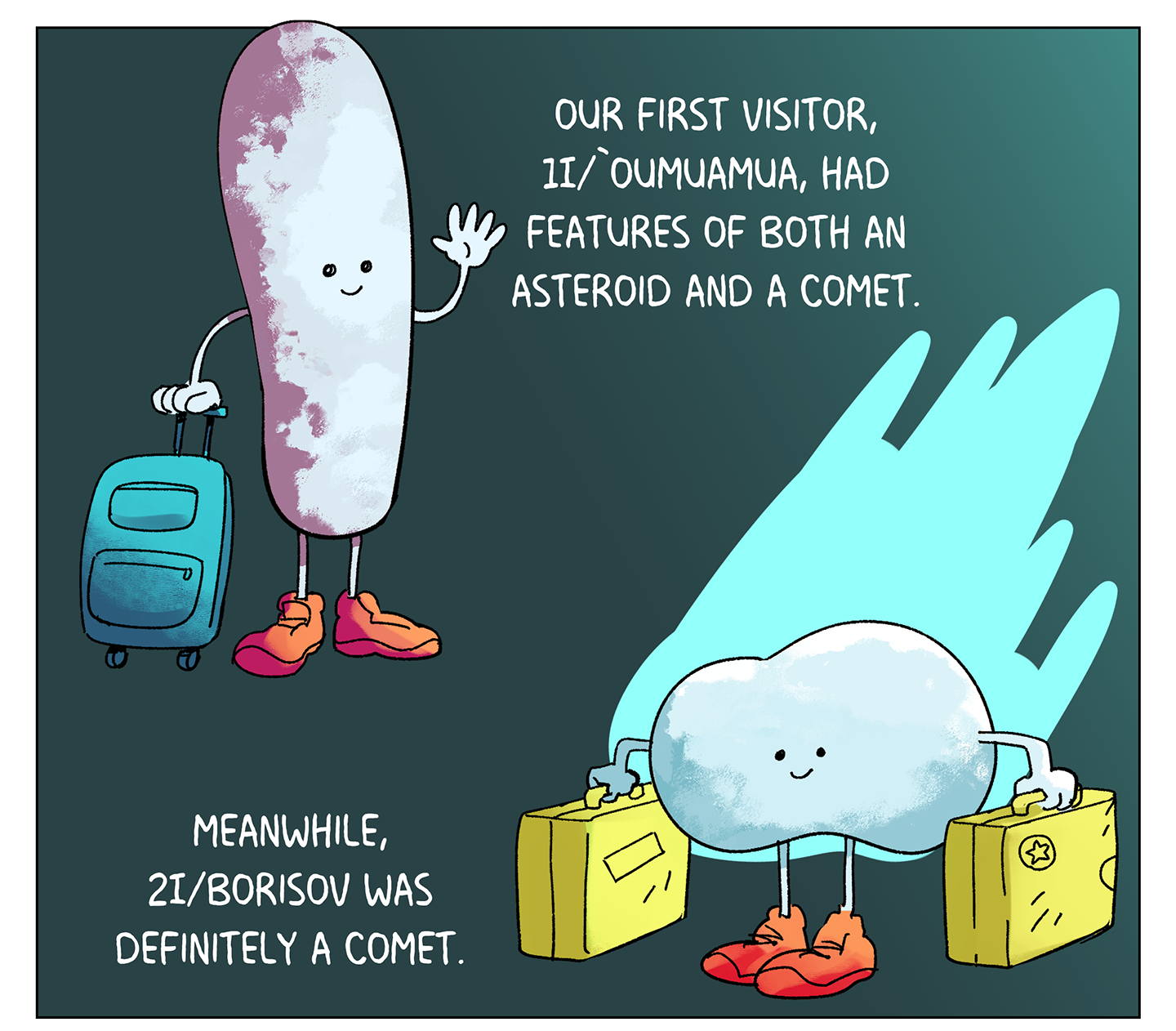
asteroid: A rocky object in orbit around the sun. Most asteroids orbit in a region that falls between the orbits of Mars and Jupiter. Astronomers refer to this region as the asteroid belt.
astronaut: Someone trained to travel into space for research and exploration.
astronomer: A scientist who works in the field of research that deals with celestial objects, space and the physical universe.
atmosphere: The envelope of gases surrounding Earth, another planet or a moon.
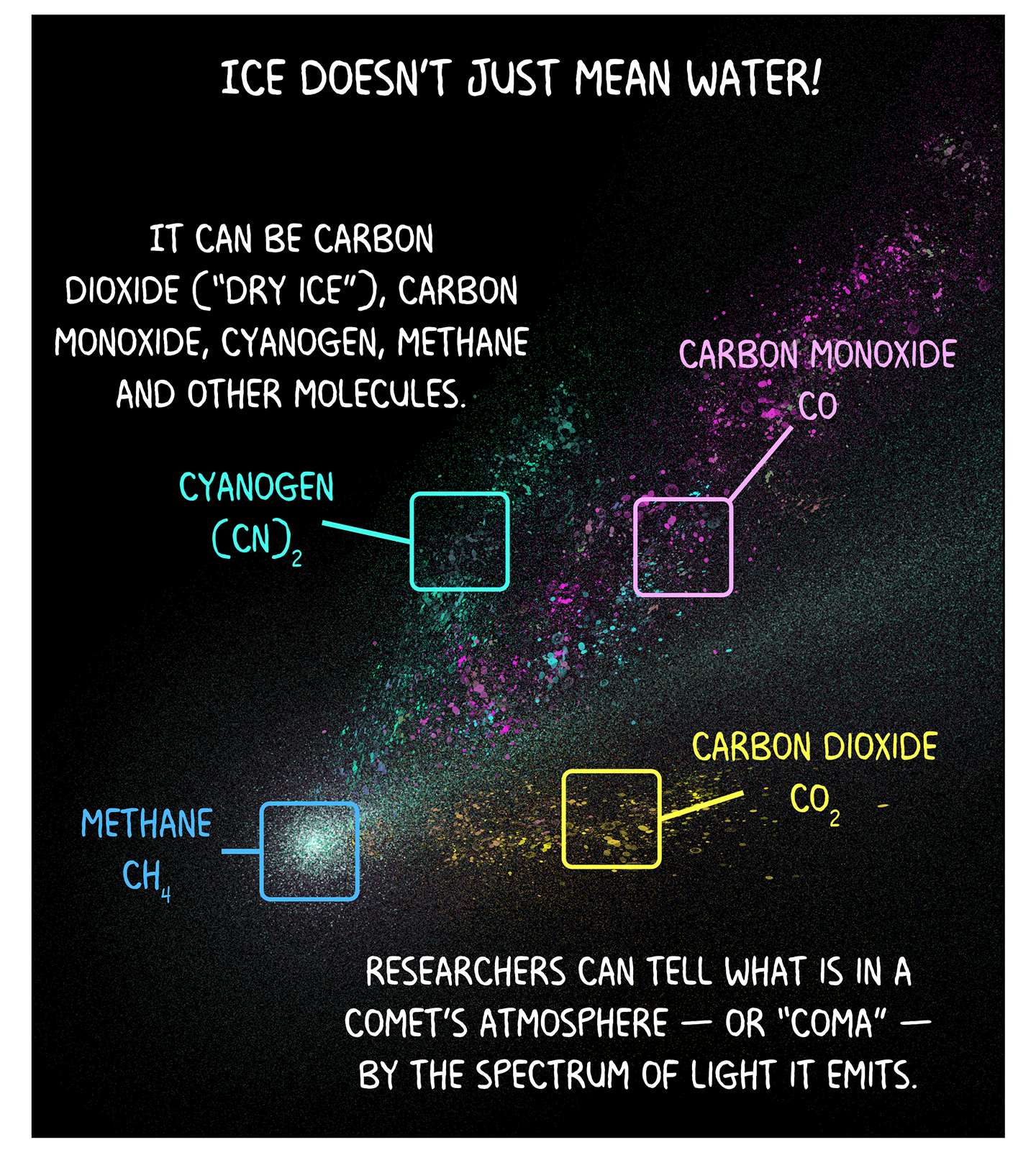
carbon dioxide: (or CO2) A colorless, odorless gas produced by all animals when the oxygen they inhale reacts with the carbon-rich foods that they’ve eaten. Carbon dioxide also is released when organic matter burns (including fossil fuels like oil or gas). Carbon dioxide acts as a greenhouse gas, trapping heat in Earth’s atmosphere. Plants convert carbon dioxide into oxygen during photosynthesis, the process they use to make their own food.
carbon monoxide: A toxic gas whose molecules include one carbon atom and one oxygen atom. (The “mono” in “monoxide” is a prefix from Greek that means “one”.) One common source: fossil-fuel burning.
celestial: (in astronomy) Of or relating to the sky, or outer space.
celestial object: Any naturally formed objects of substantial size in space. Examples include comets, asteroids, planets, moons, stars and galaxies.
cloud: A plume of molecules or particles, such as water droplets, that move under the action of an outside force, such as wind, radiation or water currents.
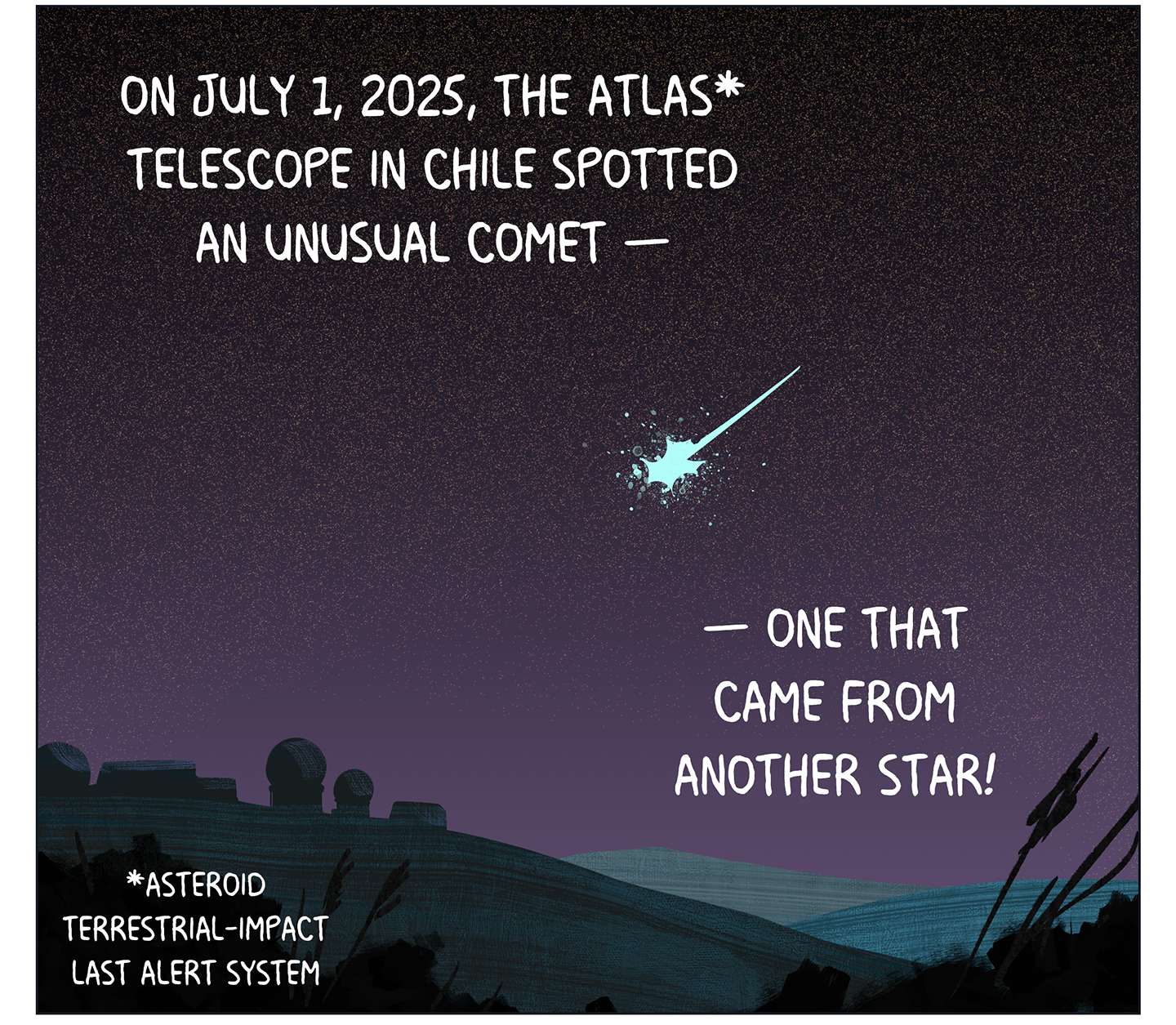
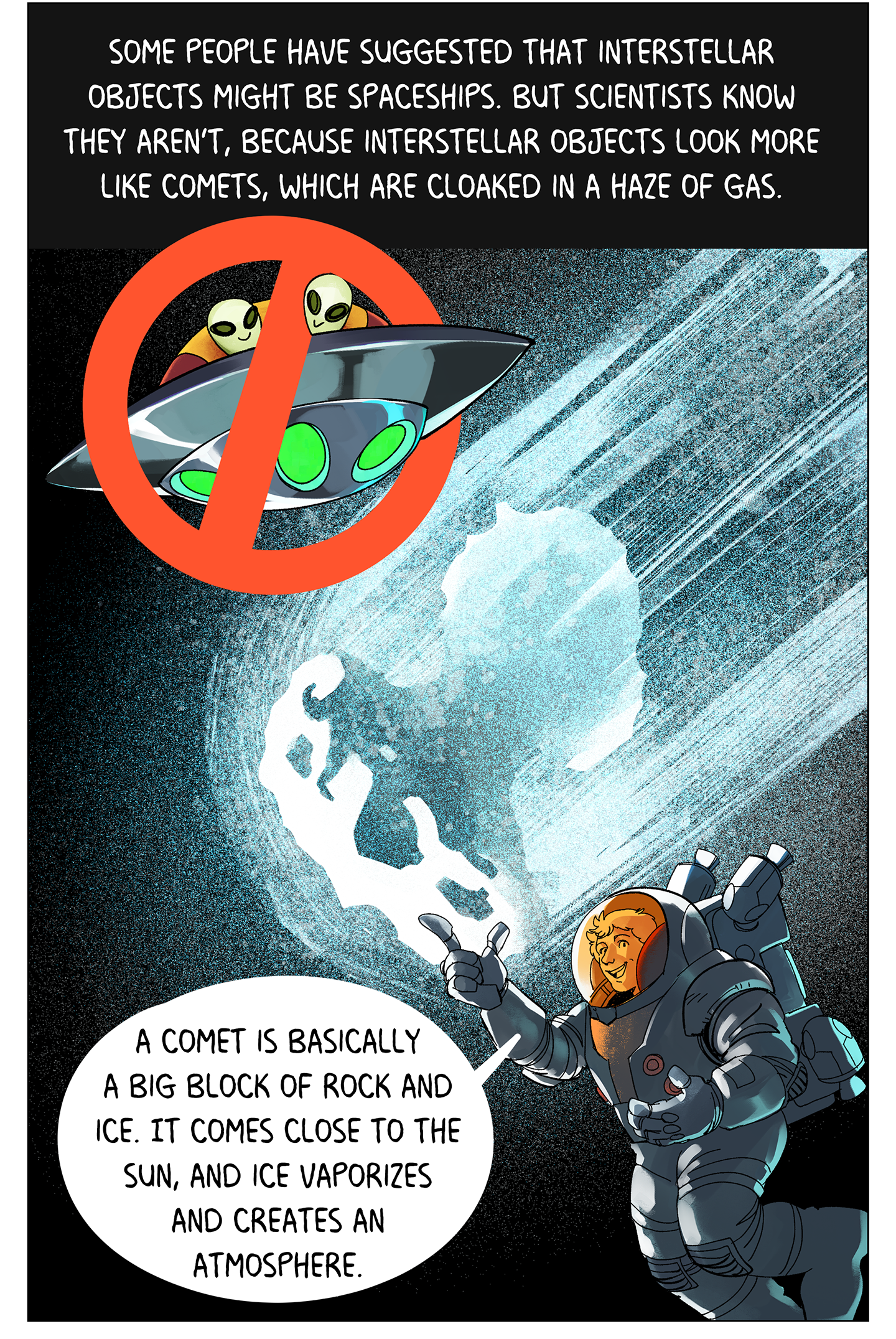
comet: A celestial object consisting of a nucleus of ice and dust. When a comet passes near the sun, gas and dust vaporize off the comet’s surface, creating its trailing “tail.”
dry ice: The common term for frozen carbon dioxide. Much colder than water ice, dry ice changes from a solid directly into a gas — a process known as sublimation — at temperatures warmer than −78.5° Celsius (−109.3° Fahrenheit).
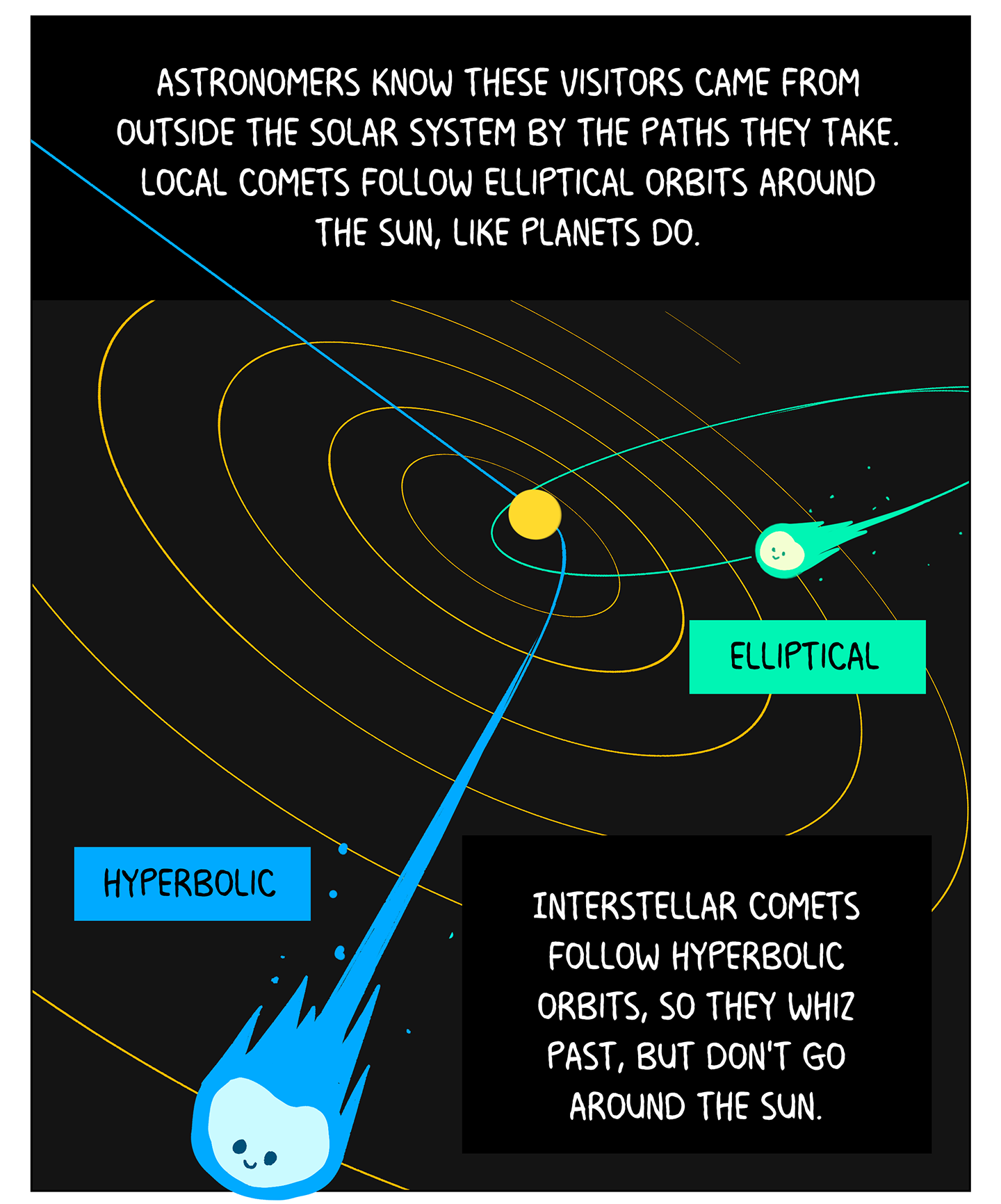
elliptical: Having the shape of an ellipse, which is an oval shape.
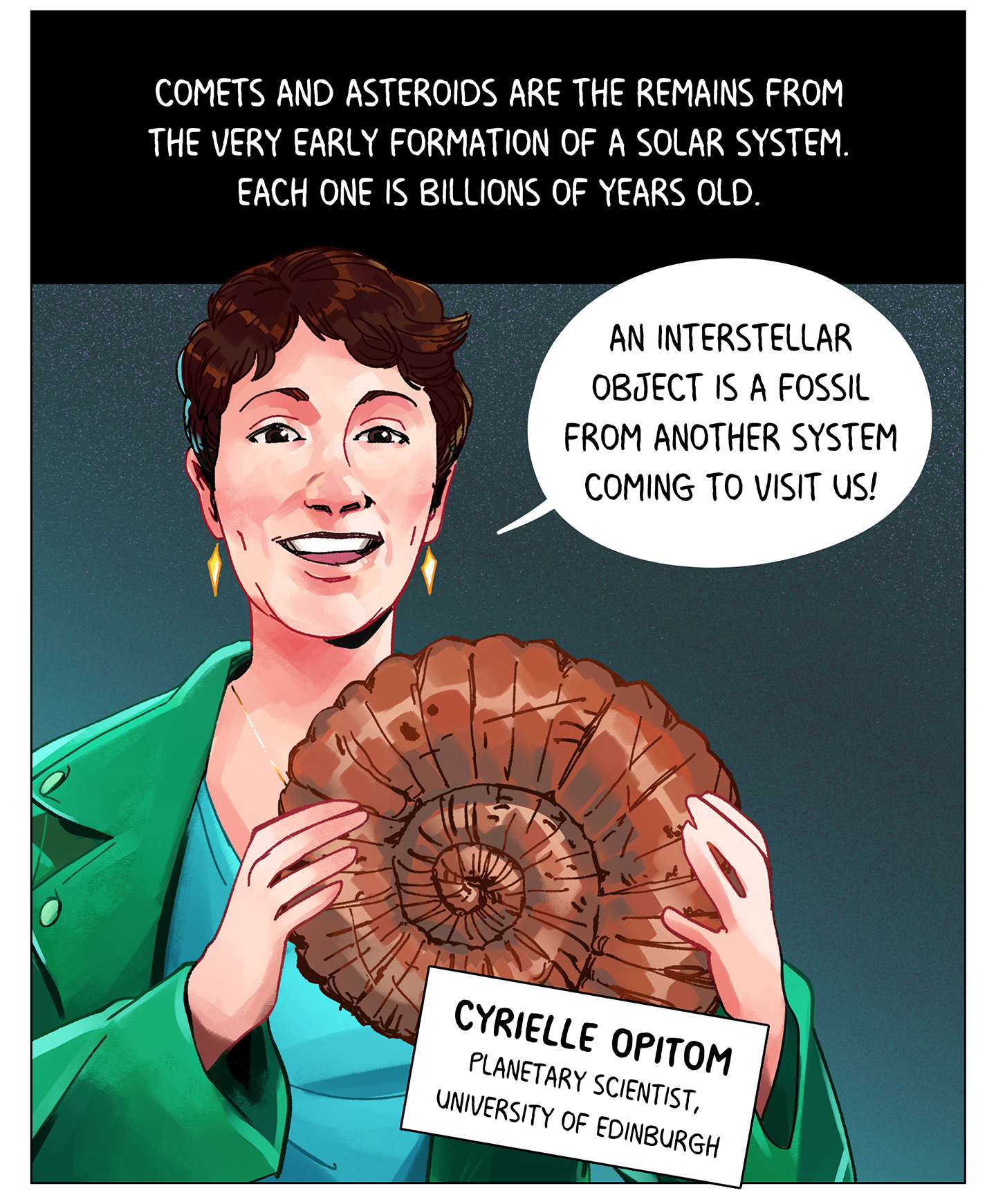
fossil: Any preserved remains or traces of ancient life. There are many different types of fossils: The bones and other body parts of dinosaurs are called “body fossils.” Things like footprints are called “trace fossils.” Even specimens of dinosaur poop are fossils. The process of forming fossils is called fossilization.
haze: Fine liquid or solid particles scattered through the atmosphere that make it hard to see. Haze can be caused by harmful substances such as air pollutants or by water vapor.
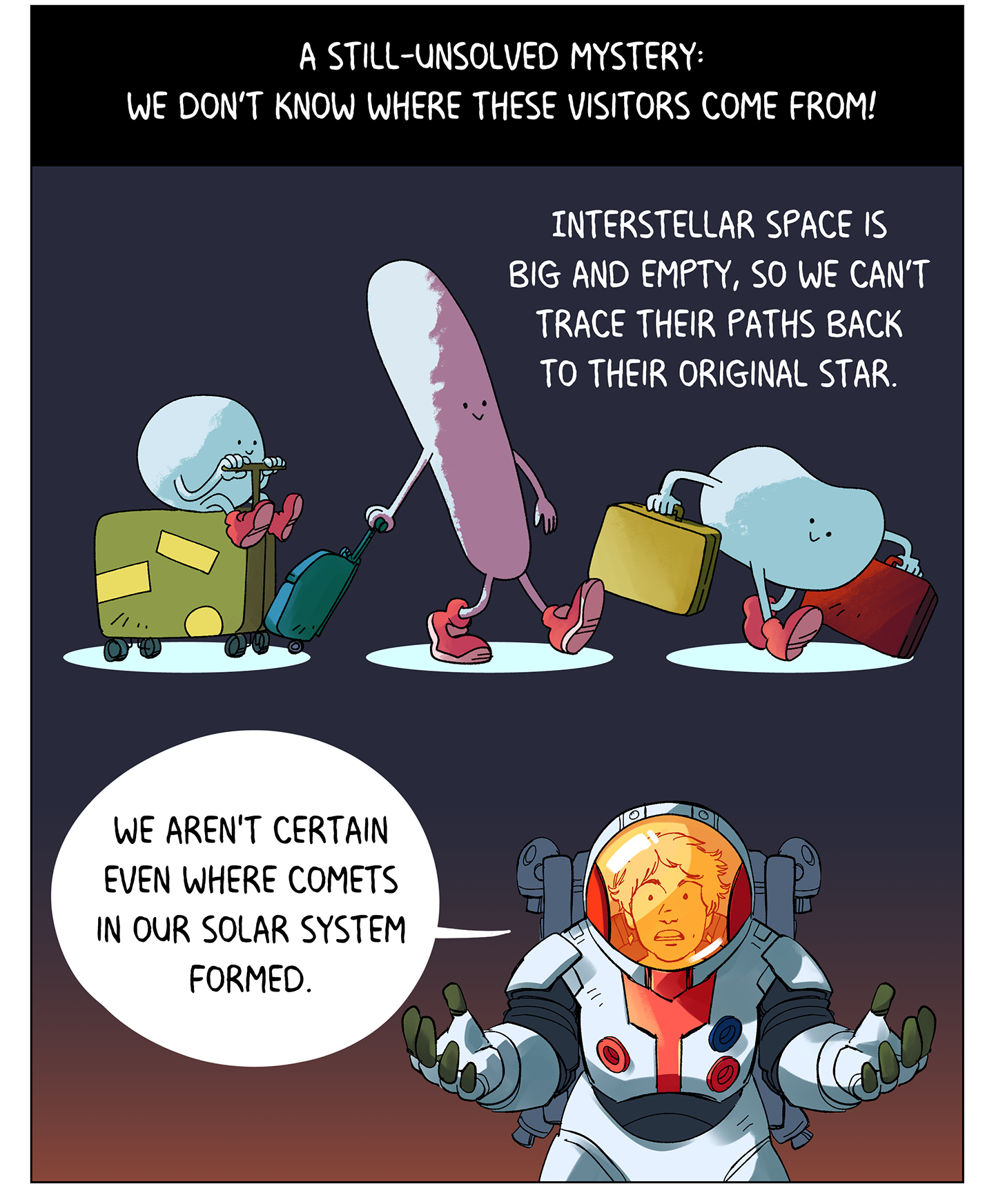
interstellar: Between stars.
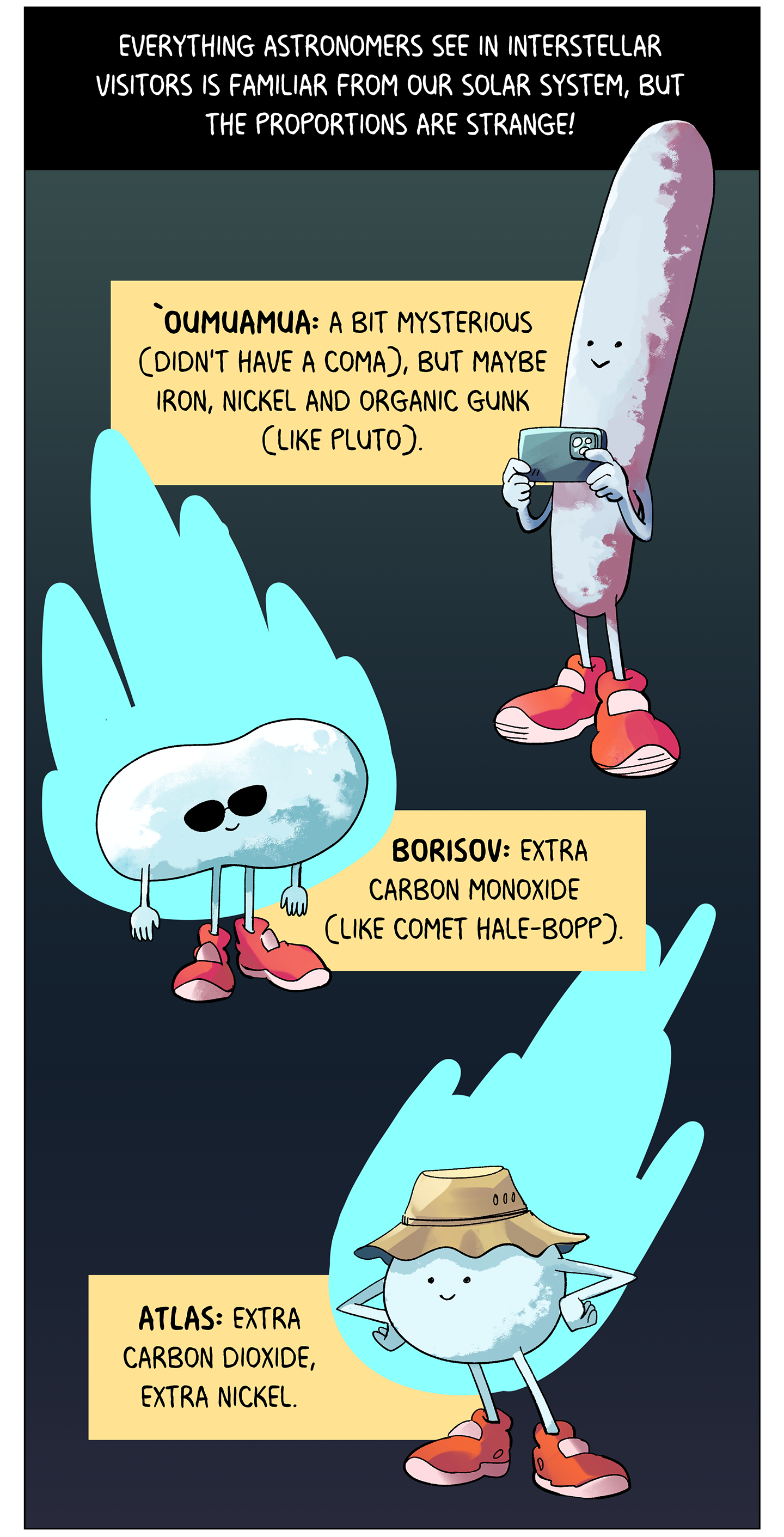
iron: A metallic element that is common within minerals in Earth’s crust and in its hot core. This metal also is found in cosmic dust and in many meteorites.
methane: A hydrocarbon with the chemical formula CH4 (meaning there are four hydrogen atoms bound to one carbon atom). It’s a natural constituent of what’s known as natural gas. It’s also emitted by decomposing plant material in wetlands and is belched out by cows and other ruminant livestock. From a climate perspective, methane is 80 times more potent than carbon dioxide is in trapping heat in Earth’s atmosphere, making it a very important greenhouse gas.
Milky Way: The galaxy in which Earth’s solar system resides.
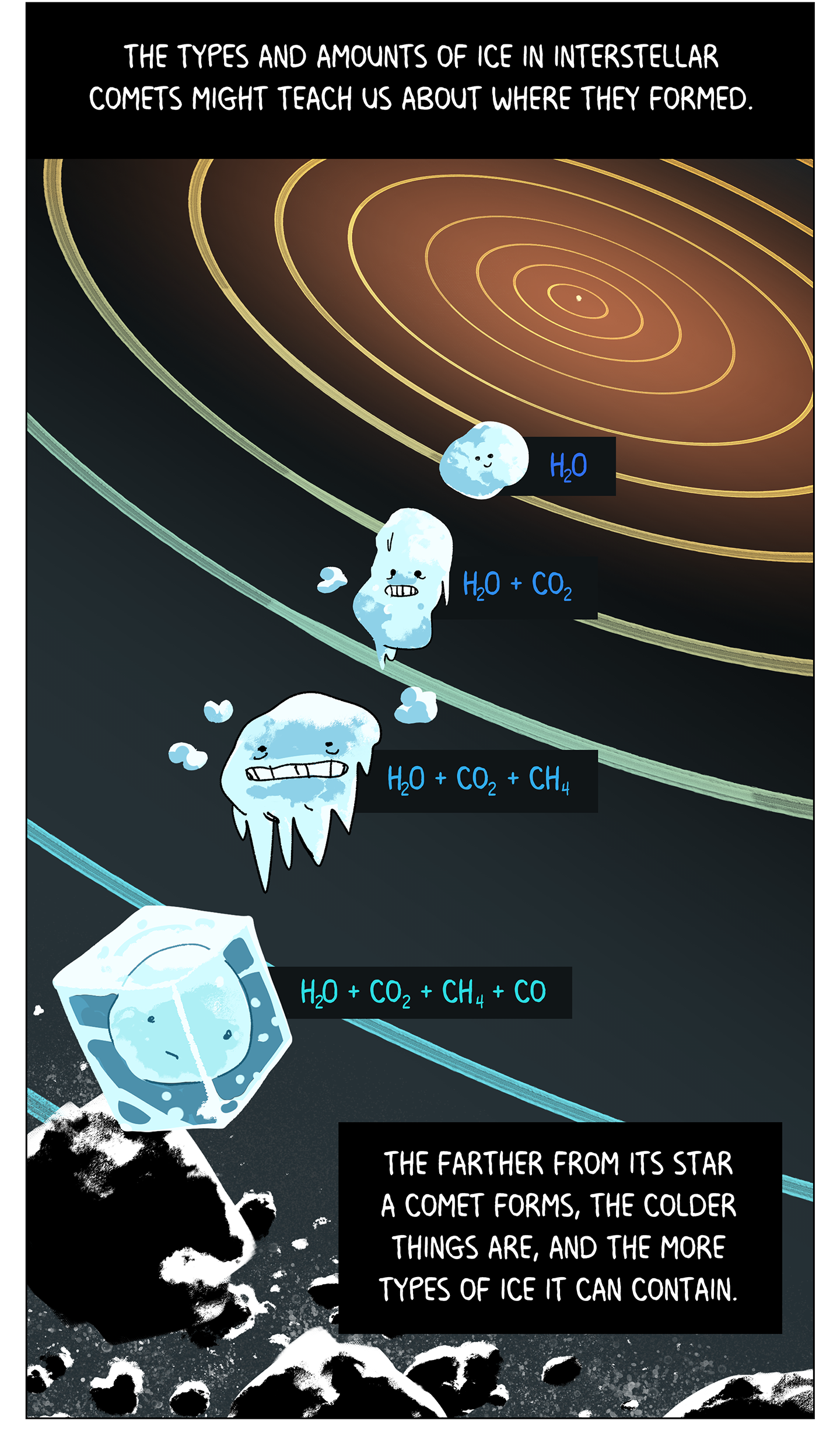
molecule: A group of atoms that represents the smallest possible amount of a chemical compound. Molecules can be made of single types of atoms or of different types. For example, the oxygen in air is made of two bound oxygen atoms (O2). Water is made of two hydrogen atoms and one oxygen atom (H2O).
nickel: Number 28 on the periodic table of elements, this hard, silvery element resists oxidation and corrosion. That makes it a good coating for many other elements or for use in multi-metal alloys.
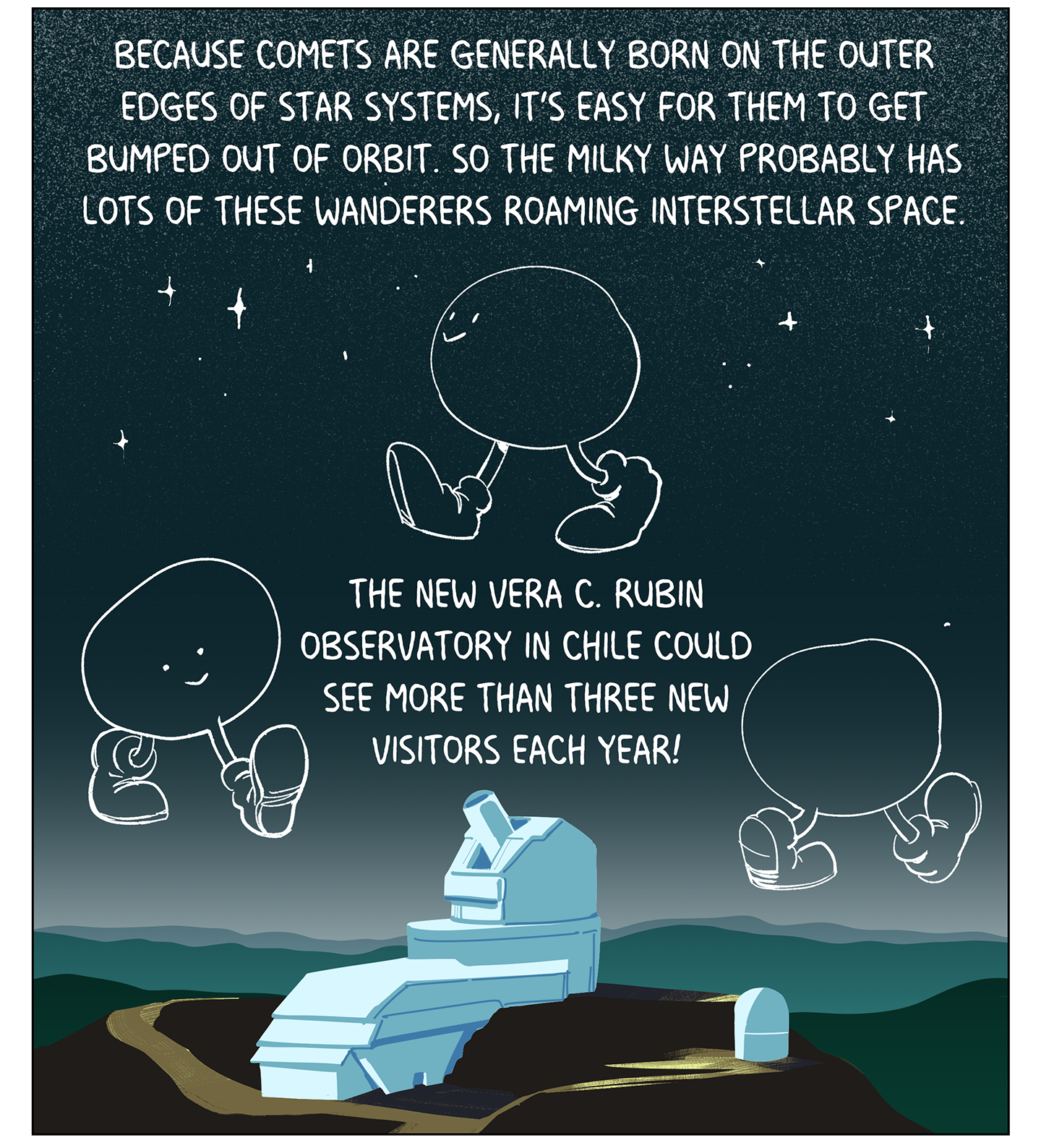
observatory: (in astronomy) The building or structure (such as a satellite) that houses one or more telescopes. Or it can be a system of structures that make up a telescope complex.
orbit: The curved path of a celestial object or spacecraft around a galaxy, star, planet or moon. One complete circuit around a celestial body.
organic: (in chemistry) An adjective that indicates something is carbon-containing; also a term that relates to the basic chemicals that make up living organisms.
planet: A large celestial object that orbits a star but unlike a star does not generate any visible light.
Pluto: A distant world that is located in the Kuiper Belt, just beyond Neptune. Known as a dwarf planet, Pluto is the ninth largest object orbiting our sun.
proportion: The amount of a certain component of a mixture relative to other components. For example, if a bag contains 2 apples and 3 oranges, the proportion of apples to oranges in the bag is 2 to 3. Or it could be the relative size of some element of a whole (such as the proportion of the head to the rest of the body was unusually small).
solar system: The eight major planets and their moons in orbit around our sun, together with smaller bodies in the form of dwarf planets, asteroids, meteoroids and comets.
spectrum: (plural: spectra) A range of related things that appear in some order. (in light and energy) The range of electromagnetic radiation types; they span from gamma rays to X rays, ultraviolet light, visible light, infrared energy, microwaves and radio waves.
star: The basic building block from which galaxies are made. Stars develop when gravity compacts clouds of gas. When they become hot enough, stars will emit light and other forms of electromagnetic radiation. The sun is our closest star.
sun: The star at the center of Earth’s solar system. It is about 27,000 light-years from the center of the Milky Way galaxy. Also a term for any sunlike star.
telescope: Usually a light-collecting instrument that makes distant objects appear nearer through the use of lenses or a combination of curved mirrors and lenses. Some, however, collect radio emissions (energy from a different portion of the electromagnetic spectrum) through a network of antennas.
vaporize: To convert from a liquid to a gas (or vapor) through the application of heat.