Life
- Animals
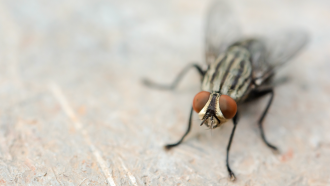
Let’s learn about the creepy crawlies in your home
From ants to spiders to crickets to bed bugs — a whole host of insects and other arthropods may be hanging out with you at home.
- Chemistry
Scientists Say: Enzyme
This word describes a molecule that speeds up chemical reactions in living things. Enzymes work by lowering the energy needed for a reaction to occur.
- Environment
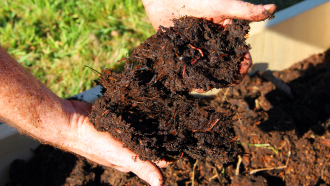
Greener than burial? Turning human bodies into worm food
Composting human bodies yielded good results — and good soil — in one small study. It could become an alternative to burial or cremation in one state.
- Animals
Conservation is going to the dogs
Scientists are now training dogs to help track rare, elusive — and sometimes invasive — plants and animals.
- Animals
Try This: Walking on water with science
Water striders walk on water. How do they do it? They spread out. This experiment will show you how it works.
- Plants
Let’s learn about the future of food
Technology and a warming world will change what you eat and how it gets to your plate.
- Earth
Desert trails and microbial life excite this soil scientist
To help her desert community, Lydia Jennings focuses her research on how mining affects soil microbes.
- Brain
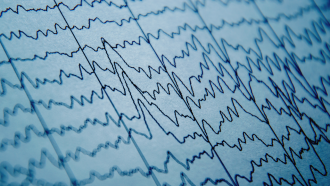
Scientists Say: Brainwaves
These patterns of electrical activity in the brain look like spikes or waves.
- Animals
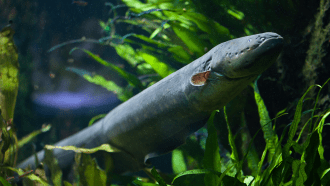
Let’s learn about electric eels
Learn about where an electric eel’s powerful jolt comes from and more with this collection of stories.
- Brain
Zapping the brain may make it work right again
Sending electrical zaps to electrodes implanted deep in the brain can help people with Parkinson’s disease, depression and even obsessive-compulsive disorder.
- Fossils
Let’s learn about dinosaur extinction
Dinosaurs disappeared 66 million years ago, at the end of the Cretaceous. What made them go extinct?
- Animals
Pandas use their heads as a kind of extra limb for climbing
Their short legs on a stout bear body mean pandas use a rare technique to climb up a tree.