Materials Science
- Materials Science
3-D printers offer better way to make some magnets
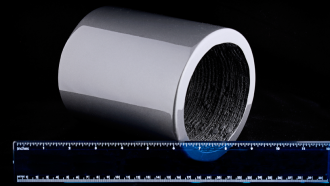
3-D printers produced magnets as strong as conventional ones with less material wasted.
- Chemistry
New coating for metals could cut engine wear
Scientists have developed a new coating for engine parts that could reduce friction and engine wear. One big benefit: Cars may require fewer oil changes.
- Health & Medicine
‘Smart’ sutures monitor healing
Coatings added to the threads used to stitch up a wound let researchers use electrical signals to monitor a wound’s healing — even one covered by a bandage.
- Animals
Beetles offer people lessons in moisture control
Taking tricks from a beetle, researchers are designing surfaces that collect water from the air or resist frost buildup.
- Health & Medicine
Nano medicines take aim at big diseases
Nanomedicines are new treatments and tools that are taking aim at disease from the cellular level. Medicine’s next big thing could be very teeny tiny.
- Computing
Clear, stretchy sensor could lead to wearable electronics
Researchers have combined plastics and metal to make a transparent, stretchable sensor. It could soon find use in touchscreens, wearable electronics and more.
- Chemistry
Concrete science
Teen researchers are exploring ways to strengthen this building material, use it for safety purposes and use its discarded rubble.
- Chemistry
Nanowires could lead to super-long-lived battery
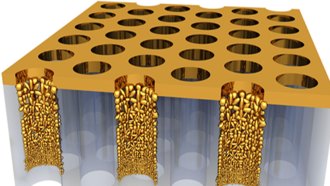
Scientists have long been looking for ways to make rechargeable batteries that last forever. They now may be close. Their solution: gel-dipped nanowires.
- Animals
Insects can patch their broken ‘bones’
When insects suffer wounds, they can mend their ‘skeleton’ with a patch on the inside. This makes the leg strong again, new data show.
- Materials Science
How to make window ‘glass’ from wood
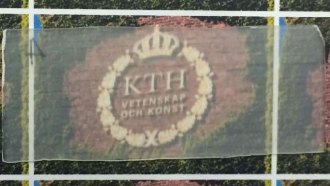
Scientists have come up with a way to make wood transparent. The new material could be used in everything from windows to packaging.
- Materials Science
Sunlight + gold = steaming water (no boiling needed)
Nano-gold is the new black, at least when it comes to absorbing heat. When tiny gold particles get together, they become energy super-absorbers — turning them black.
- Environment
Eggshells help hatch a new idea for packaging
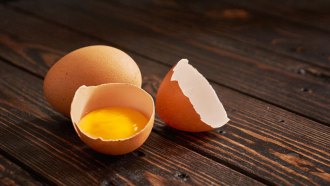
Why just crack an egg? Make the shell into itty bitty bits and use them to build a more biodegradable plastic. New research shows how.