Materials Science
- Tech
Electricity sensor harnesses a shark’s secret weapon
A new “quantum” material mimics the sensors that help a shark sense its prey. Like a shark, it can detect tiny electric fields.
- Chemistry
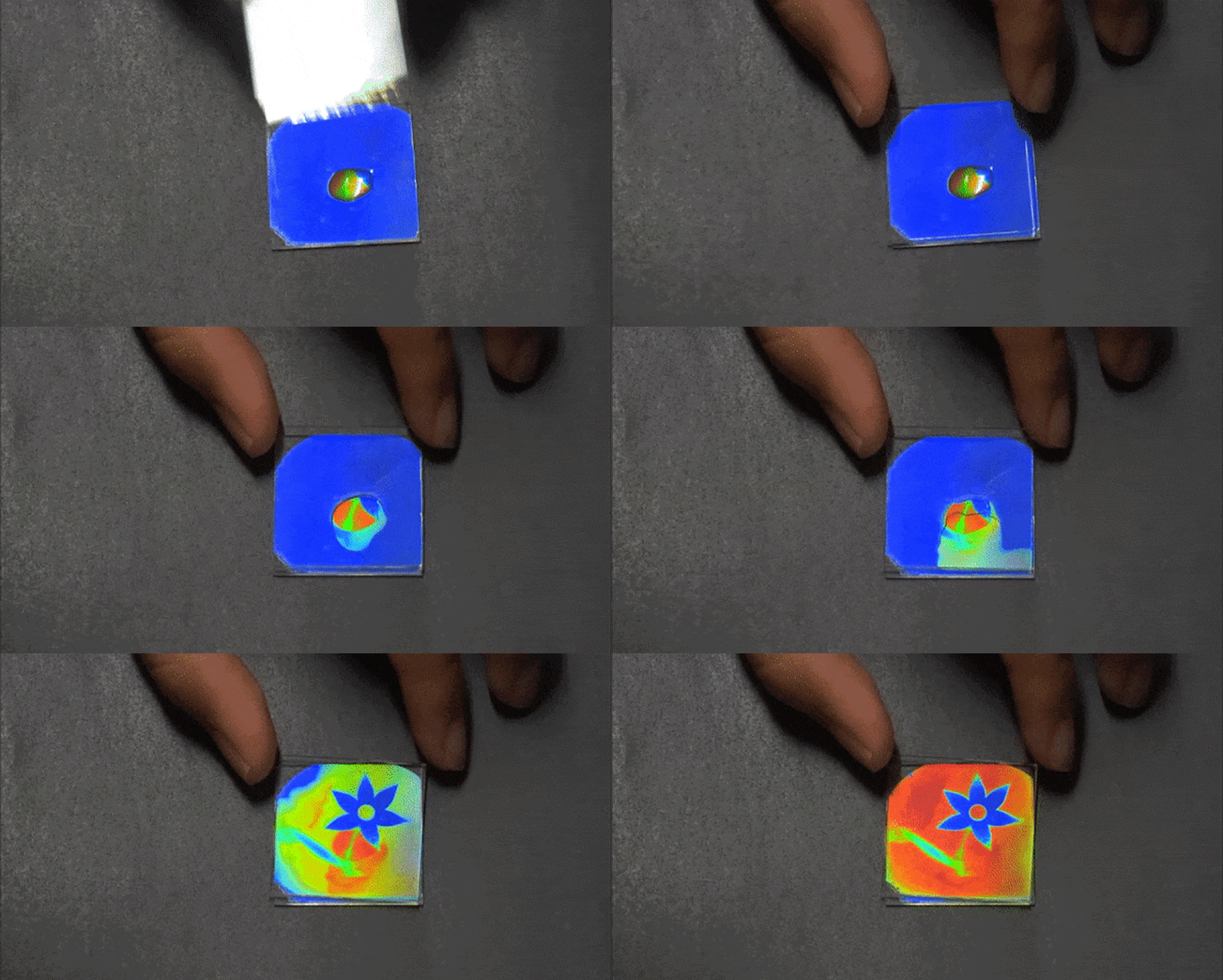
Moisture unmasks camouflaged message
Researchers have developed a new type of chemical that will mask some hidden message — until you add water.
- Materials Science
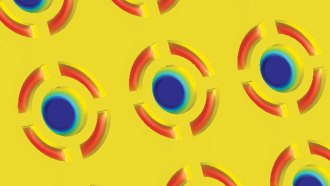
New device makes water give up its sounds
A new device can dramatically boost the ability of people above the water’s surface to hear what’s going on below.
- Health & Medicine
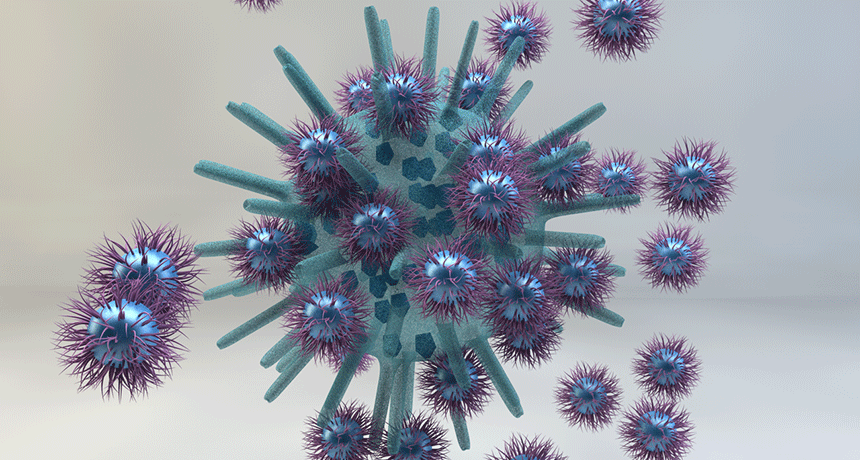
Hairy nanoparticles put viruses in a deadly embrace
Current drugs can’t stop viruses for good. But newly developed hairy nanoparticles just might. They surround and put pressure on the viruses, which ultimately destroys them.
- Agriculture
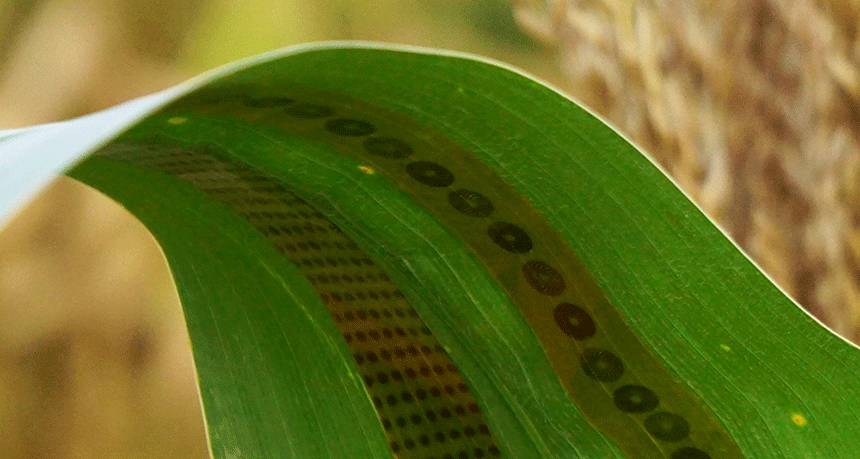
New ‘tattoo’ could lead to drought-tolerant crops
Scientists create stick-on 'plant tattoo.' It measures how efficiently crops use water, a key to better identifying breeding stock for more drought-resistant crops.
- Archaeology
Cool Jobs: Drilling into the secrets of teeth
A bioengineer, a biologist and an archaeologist all study teeth to explore new materials, to grow better tissues and to learn more about prehistoric humans.
- Health & Medicine
New treatment could calm temperature-sensitive teeth
Dentists aren’t happy with today’s treatments for sensitive teeth. Sand-like nanoparticles carrying green tea extract could bring longer pain relief.
- Materials Science
Want a tougher space suit? Just add liquid
Using a special liquid, engineers are designing new treatments for spacesuits so that they can better resist puncturing from tiny meteorites and other hazards.
- Genetics
One day, your sunscreen may be made from DNA
A new approach to sunscreen could use a thin layer of DNA to protect skin cells — and hopefully prevent cancer.
- Materials Science
You can peel permanent marker, intact, off of glass
The surface tension of water can essentially scrape a thin film of some water-repellent material — such as permanent ink — off of glass.
- Chemistry
U.S. Army is developing high-tech underwear
A new fabric could warm the skin of active soldiers in cold climates. At the same time, it could soak away sweat that might otherwise cause chills.
- Chemistry
Blue light flexes its chem-building muscle
Scientists found a new way to build a strong but bendable blend of polymers. The trick? Expose the ingredients to a beam of blue light.