Uncategorized
- Genetics
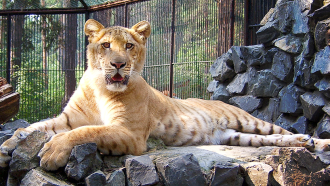
The mixed-up world of hybrid animals
When animals from related species mate, they may produce hybrid offspring. These animals can display a jumble of traits, such as colors, shapes or behaviors.
- Health & Medicine
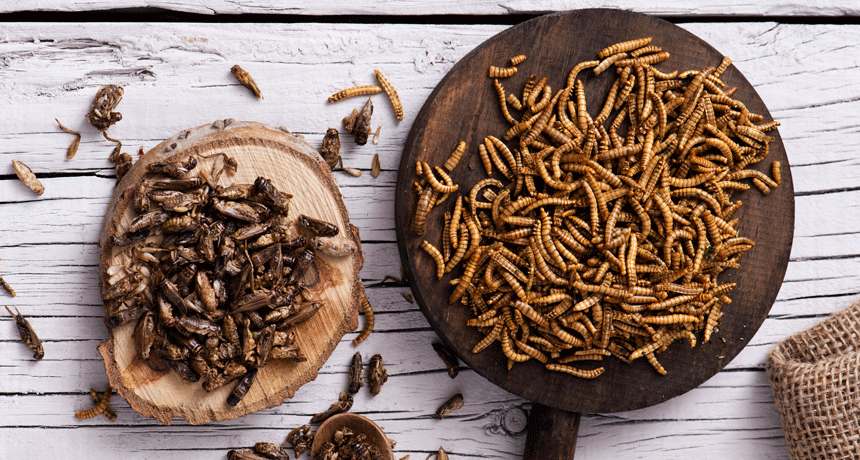
Crickets for breakfast?
In a small trial, levels of beneficial gut bacteria rose in young adults who ate a breakfast that included crickets every day for two weeks.
- Brain
Football and hockey don’t necessarily doom players’ brains to serious damage
A broad look at the brains and behavior of retired pro football players and hockey players finds no signs of early dementia.
- Health & Medicine
Phones in the classroom hurt everyone’s grades
When students use electronic devices in the classroom, their school performance may suffer. And so might their classmates’ grades, a new study finds.
- Animals
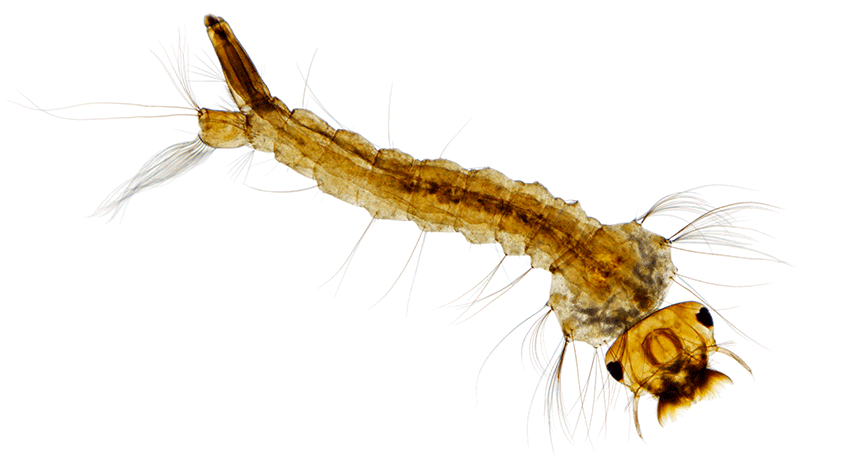
Scientists Say: Larva
Many insects, amphibians and fish have a life stage after they hatch that looks very different from the animal’s adult form. This life stage has its own name.
- Climate
Hawaii’s record 2018 rains may foretell wetter times ahead
Another rainfall record was set in Hawaii. But how does this stack up to other rain records across the United States?
- Animals
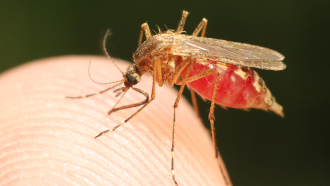
Cool Jobs: Sucking up science with mosquitoes
Mosquitoes are tiny, but the illnesses they spread can be deadly. To fight these germ spreaders, scientists need to get to know mosquitoes better — much better.
- Chemistry
Rare blue diamonds form deep, deep, deep inside Earth
The recipe for rare blue diamonds may include boron, seawater and massive rock collisions.
- Physics
Analyze This: Can you outrun these geological disasters?
There's one geological disaster you probably can outrun, and a few others that are iffy.
- Animals
Nine big stories you may have missed this summer
We hope you enjoyed time off from school this summer. But you may have missed some scientific developments, from mega-eruptions to Martian lakes.
- Climate
Scientists Say: Climate
Climate is the atmospheric conditions that are typical to a general area over a long period of time.
- Agriculture
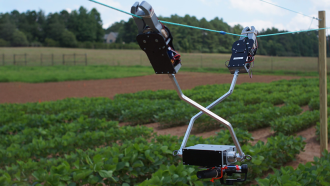
Tarzan the robot was actually inspired by a sloth
‘Tarzan’ the robot saves energy by swinging. Someday, it could help with farm work by moving along wires strung across fields of crops.