
All Stories by Stephen Ornes
- Earth
Water helped erect Iceland’s lava towers
Science pointed the way to understanding why these curious natural pillars form.
- Brain
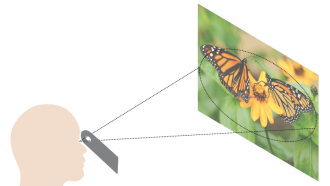
One eye, 3-D
Most scientists think people need two eyes to see a flat image or movie in three dimensions. However, a new study suggests seeing in 3-D with one-eye is possible.
- Brain
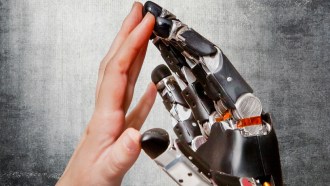
Restoring a sense of touch
A zap to a monkey’s brain fools the animal into thinking its finger has been touched. The findings point to a way for artificial fingers to communicate with the brain so that touch “feels” more real.
- Health & Medicine
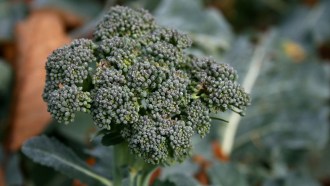
Veggies: A radiation shield
Here’s another reason to eat broccoli and related veggies: They protect the body’s cells from killer radiation — at least in rats.
- Health & Medicine
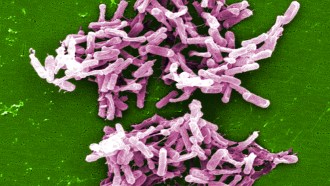
Mining medicine from poop
Researchers find a much less yucky way to treat people with a common killer infection.
- Chemistry
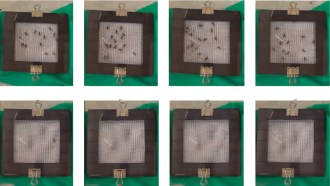
Grape scents repel mosquitoes
Safer than DEET, the new compounds could lead to insect repellents that would be affordable even in poor regions where mosquitoes carry malaria.
- Earth
Hacking the planet
The big backup plan: Scientists reluctantly consider altering Earth’s climate to head off the catastrophic effects of global warming.
- Planets
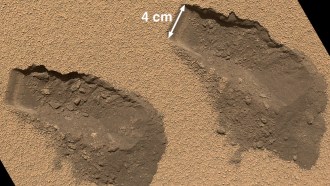
Scratching the Martian surface
What’s Mars made of? Volcanic rock, glassy particles and a poisonous rocket-fuel chemical, among other things. That’s the latest from tests by NASA’s Curiosity rover.
- Climate
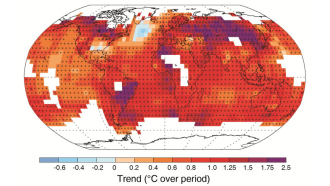
The certainty of climate change
How sure are scientists that people are to blame for global warming? “Extremely likely,” says an international panel of climate change researchers in a new report.
- Health & Medicine
Sleep therapy for fears
Scared? A nap spent inhaling the proper smell might relieve those fears, a study finds.
- Chemistry
Vitamin can keep electronics ‘healthy’
Vitamin E is among cheap materials that can avoid the zap of static electricity — a discharge that risks destroying sensitive electronic circuitry.
- Microbes
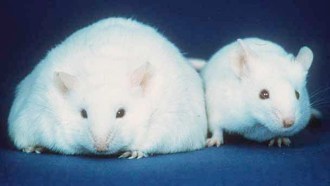
Slimming germs
In the gut, the right microbe mix can help keep off extra weight — at least in mice.