
All Stories by Stephen Ornes
- Life
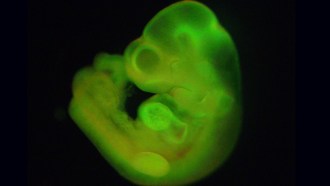
How to reset a cell
Scientists had reported they had figured out how to turn a specialized cell into any other type of cell the body may need. All it took was an acid bath. But now in July, big doubts have emerged about the quality of that work and whether the results will hold up.
- Physics
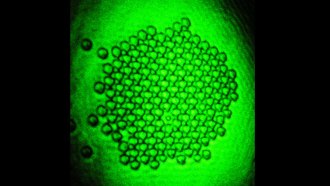
Building a mirror with light
Scientists proved that lasers can be used to harness materials into a reflective surface. Some scientists ask: Can a space mirror be far away?
- Brain
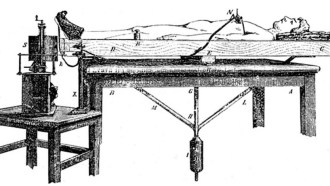
The weight of thought
Thinking heavy thoughts? Scientists have just put people on a balance and shown that the brain briefly gains blood — becoming a bit heavier — while concentrating.
- Animals
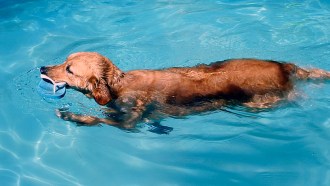
Dissecting the dog paddle
Scientists occasionally describe the dog paddle as a “trot,” but that’s not right. When dogs swim, their complicated leg motions look more like a frantic run.
- Space
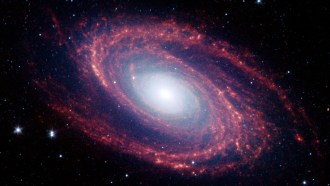
Galaxies stash mass in clouds of gas
Astronomers may have finally figured out why predictions of the amount of matter in the universe don’t match observations. A huge amount may hide in the gas clouds that surround galaxies.
- Health & Medicine
Baseball: Keeping your head in the game
Head movements play an important role in successfully tracking lightning-fast incoming pitches.
- Space
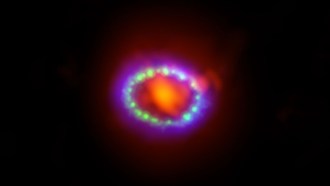
Dusty remains from a dead star
A supernova first spotted in 1987 produced a huge cloud of space dust. Astronomers are now finding clues in it to how stars formed in the early universe.
- Animals
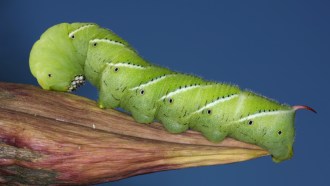
The bad-breath defense
The nicotine in tobacco that poisons some creatures can also act as a chemical defense — at least for some caterpillars. The bad breath it gives these insects repels natural predators, such as spiders.
- Brain
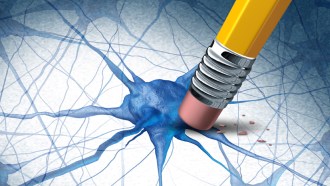
Erasing memories
Electroconvulsive therapy is used to treat severe depression, but the electrical jolt it sends into the brain also may erase bad memories.
- Chemistry
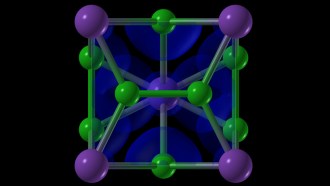
Salt bends the rules of chemistry
When squished between two diamonds and zapped by a laser, salt’s atoms can link up in unexpected ways.
- Health & Medicine
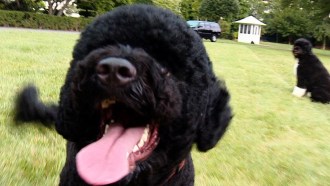
Doggy dust could be a good thing
The outdoor dust that dogs drag in contains a mix of microbes that helped mice fend off allergic reactions and viral infections.
- Genetics
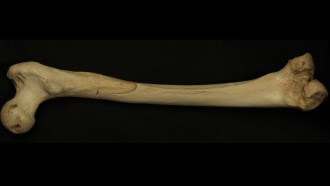
Ancient DNA sparks new mystery
DNA from a 400,000-year-old leg bone found in Spain is by far the oldest recovered from pre-human ancestors. It also shows an unexpected link to later, Asian ‘kin.’