Heredity: Inheritance and Variation of Traits
- Animals
What we can — and can’t — learn from our pets’ DNA
Your dog or cat’s DNA is an open book. DNA tests tell people about their pet’s breed and attempt to predict things about its behavior and health.
- Genetics
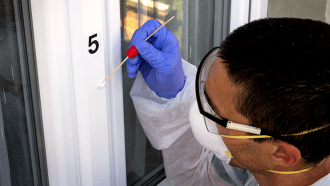
Explainer: How DNA testing works
Lots of companies will now test DNA from people and their pets. How do these gene-sequencing techniques work? We explain.
- Genetics
Explainer: What are genes?
Genes are DNA regions that tell cells how to build proteins. But we have many more proteins than genes. And much of our DNA controls when genes turn on and off.
- Genetics
Your DNA is an open book — but can’t yet be fully read
There are many companies that offer to read your DNA. But be prepared: They cannot yet fulfill all those promises you read in their ads.
- Genetics
Explainer: Why scientists sometimes ‘knock out’ genes
How do we learn what a particular molecule does in the body? To find out, scientists often 'knock out' the gene that makes it. Here’s how.
- Health & Medicine
Explainer: What is a hormone?
Various tissues secrete special chemicals, known as hormones. They travel, usually in blood, to a particular distant site where they tell certain cells it’s time to go to work.
- Genetics
Explainer: How CRISPR works
Scientists are using a tool called CRISPR to edit DNA in all types of cells.
- Animals
DNA tells tale of how cats conquered the world
Ancient DNA study suggests that domesticated cats spread across the ancient world in two waves.
- Archaeology
DNA from African mummies tie these folk to Middle Easterners
Ancient DNA extracted from 90 Egyptian mummies reveals genetic links to Greece and the Middle East.
- Genetics
Cool Jobs: New tools to solve crimes
Future investigators may identify criminals by the microbes they leave behind or by using DNA-like evidence from strands of their hair.
- Genetics
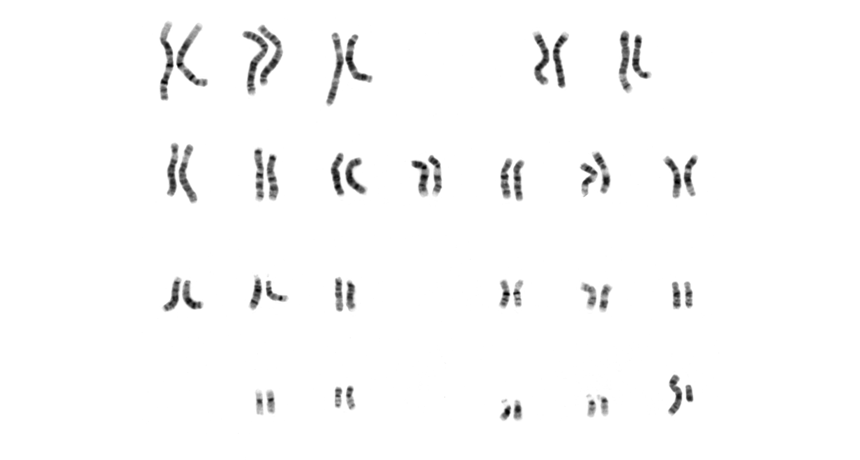
Scientists Say: Chromosome
This threadlike structure is made of DNA wrapped around protein. It allows the 3 billion base pairs in human DNA to stay neatly packaged in a cell.
- Microbes
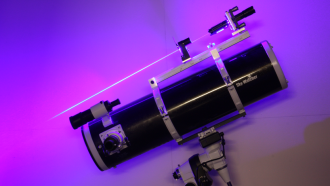
Tweaked germs glow to pinpoint buried landmines
Finding landmines could become much safer with a new technology. It uses genetically modified bacteria that glow under laser light.