HS-ESS2-2
Analyze geoscience data to make the claim that one change to Earth's surface can create feedbacks that cause changes to other Earth systems.
- Climate
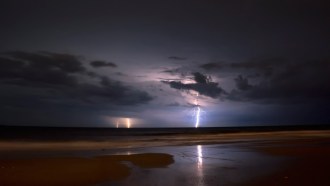
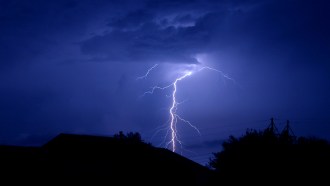
Lightning strikes will surge with climate change
Warming temperatures will lead to 50 percent more lightning strikes across the 48 U.S. states in the next century, researchers report. That increase could lead to more warming, more fires and even more deaths.
- Earth
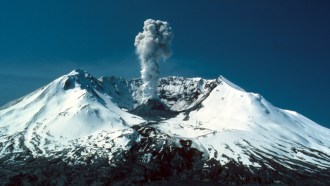
Explainer: The volcano basics
Here’s an overview of what they are, where they form and the many ways they pose dangers.
- Earth
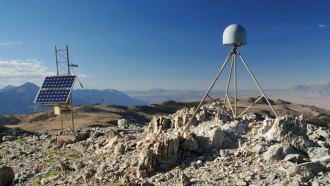
Thirst for water moves and shakes California
Here’s a scary cost to pumping up groundwater to slake the thirst of crops in California’s Central Valley: It may uplift nearby mountains and trigger tiny earthquakes, experts find.
- Math
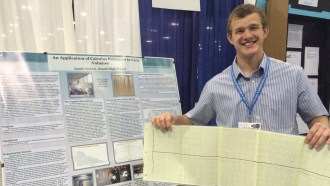
Teen puts calculus on ice
Jacob Nichols wondered if he could use calculus to find the volume of the icicles building up outside his house. His study earned him a spot at the 2014 Intel International Science and Engineering Fair.
- Earth
The quake that shook up geology
North America’s biggest earthquake struck 50 years ago. Here’s what science has learned about Earth since the 1964 Great Alaskan Earthquake.
- Environment
Burning to learn
Fires cause billions of dollars of destruction to homes and forests every year. But not all fires are bad, especially for forests. With a better understanding of fire, scientists can both help people prevent dangerous fires — and identify which ones it would be better to let burn.
- Environment
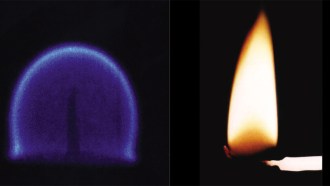
Explainer: How and why fires burn
A fire’s colorful flame results from a chemical reaction known as combustion.
- Earth
Earthquake-triggered lightning?
An experiment with beads offers support for the claim that a rare type of lightning may accompany some quakes.
- Earth
Explainer: Ice sheets and glaciers
Ice sheets and glaciers give scientists clues about climate change.
- Chemistry
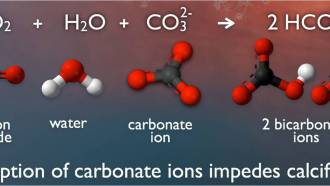
Explainer: Ocean acidification
Here’s why shellfish and other animals in the sea suffer when the ocean is forced to absorb too much carbon dioxide.
- Earth
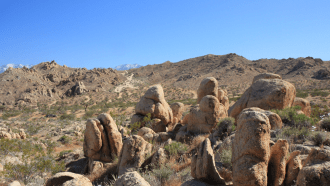
Big rocks’ balancing acts
Scientists study how balanced boulders resist falling over — and what that may say about earthquakes.
- Earth
Tsunami’s trek traced in the sky
Scientists photograph atmospheric ripples that followed the March tsunami across the Pacific.