Space
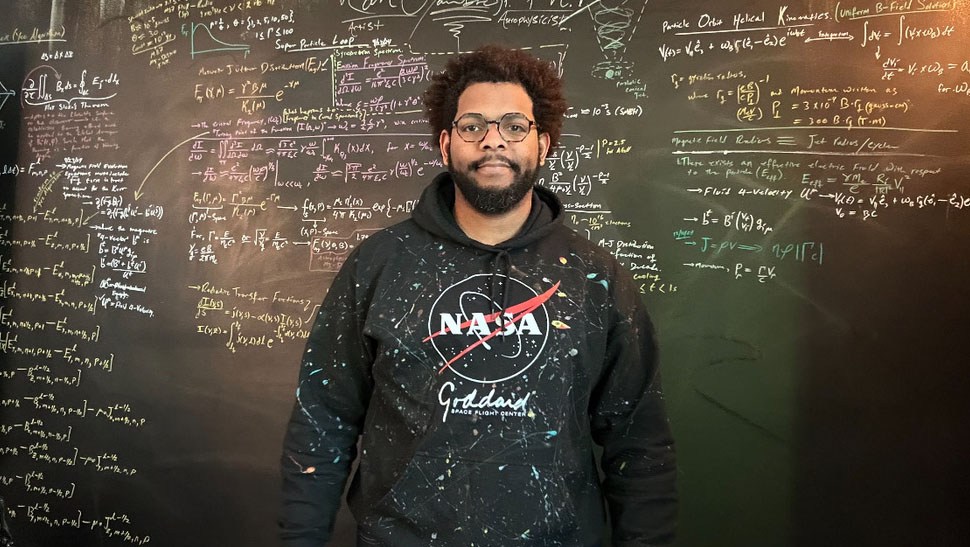
Art helped this astrophysicist make sense of math
Ronald Gamble takes cues from the arts to study supermassive black holes and their spacetime geometry.
Water's subterranean travels can be long, slow — and carry pollutants far from where they first got drawn into the Earth.
The gases released by earthquakes might occasionally ignite, triggering ghostly lights sometimes witnessed in South Carolina.
Soil erosion washes pollutants into streams and rivers — but plants may help limit that.
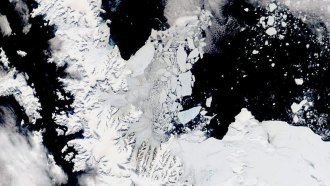
Destabilized by waves and vanishing sea ice, one of the glaciers lost 25 kilometers (15.5 miles) of ice in 16 months — a possible hint of worse to come.
Earth’s ongoing fever threatens to push entire forests toward this heat limit — and possible death.
Human-caused climate change has played a big role in this summer’s historic heat.
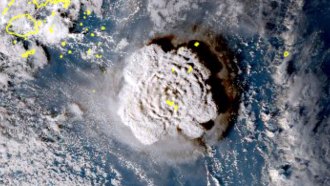
The eruption plume spawned lightning that started 20 to 30 kilometers (some 12 to 19 miles) above sea level.
These long-traveling storm systems bring moisture to many parts of the world. Here’s what scientists are learning about them.
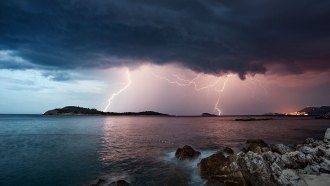
Bits of airborne salt may help raindrops form, removing water from clouds before it can freeze as part of the process that makes lightning.