HS-ESS2-2
Analyze geoscience data to make the claim that one change to Earth's surface can create feedbacks that cause changes to other Earth systems.
- Climate
Scientists Say: Albedo
To measure how much light reflects off an object, scientists measure its albedo.
- Earth
Earth’s tectonic plates won’t slide forever
Earth’s surface morphs, owing to the movement of its tectonic plates. But those plates didn’t use to move so quickly. And in a few billion years they’ll grind to a halt, new research suggests.
- Earth
Dust creates deserts in the sky
Vast rivers of dust flow through the sky. This invisible force shapes our world in profound ways. And scientists are finally homing in on a major source.
- Earth
Quake risk in some central states rivals California’s
Risks of tremors in some central U.S. states are as high as those in quake-prone California. The reason: waste fluids from oil and gas drilling.
- Climate
Arctic ice travels fast, carrying pollution
Climate change is melting old sea ice in the Arctic. Now, younger, thinner ice is migrating far and fast, taking pollutants with it.
- Climate
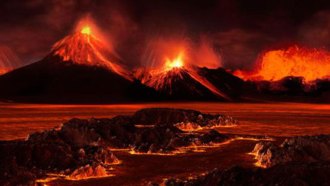
Clues to the Great Dying
Millions of years ago, nearly all life on Earth vanished. Scientists are now starting to figure out what happened.
- Earth
Explainer: What is a tsunami?
Earthquakes and landslides can create huge waves that travel across oceans.
- Climate
Warming’s role in extreme weather
Extremes in temperature and precipitation will be more common as global temperatures rise. Human-led climate change is largely to blame, a new study finds.
- Climate
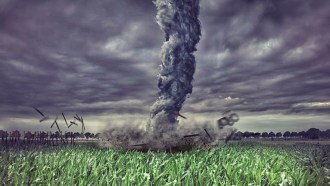
Distant pollution may intensify U.S. twisters
A new study of one of the deadliest U.S. outbreaks of tornadoes sees a possible role for smoke. In this analysis, the smoke had come from fires burning in Central America.
- Climate
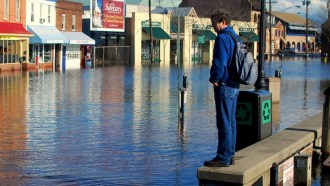
Fast sea level rise is a very recent change
Sea levels have been rising for more than a century. But that rise is now speeding up. That suggests that what is driving the rise — climate change — also has increased dramatically in recent years.
- Earth
Dino double whammy
Most scientists think an asteroid helped kill off the dinosaurs. But new calculations suggest that asteroid might have gotten some help from a long series of volcanic eruptions in what is now India.
- Climate
The worst drought in 1,000 years
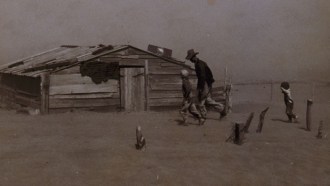
The 1934 drought, during a period in American history known as the Dust Bowl, was the worst in a millennium, a new study finds. While the drought had natural origins, human activities made it worse.