HS-ESS3-5
Analyze geoscience data and the results from global climate models to make an evidence-based forecast of the current rate of global or regional climate change and associated future impacts to Earth systems.
- Earth
Fossil fuels appear to release far more methane than we thought
Ice cores reveal less methane than expected. This suggests today’s fossil fuel industry is responsible for nearly all of the methane emissions from natural sources today.
- Environment
CO2 emissions have nosedived as COVID-19 keeps people home
The COVID-19 pandemic restricted travel that can pollute the air. By April, travel-related daily emissions of greenhouse gases was back to 2006 levels.
- Climate
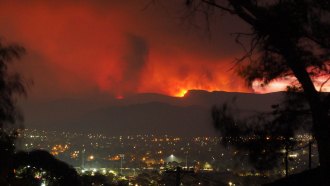
Climate change drove Australian wildfires to extremes
Australia’s devastating 2019–2020 wildfires were at least 30 percent more likely because of human-caused climate change.
- Climate
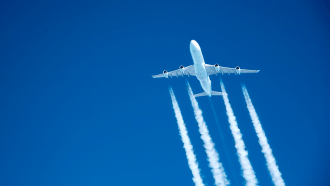
How to curb the climate heating by contrails
Contrails are narrow clouds left behind in the sky by jets. They add to climate change. But a new study suggests a way to curb their contribution.
- Animals
Australian fires have imperiled up to 100 species
As massive wildfires consume huge swaths of Australia’s bush, untold species — many of them found nowhere else — are now threatened with extinction.
- Climate
5 things to know about the climate-saving benefits of tree planting
A recent analysis of the benefits of massive efforts to plant more trees triggered a firestorm of controversy.
- Climate
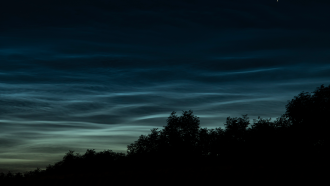
Explainer: Why some clouds glow in the dark
A surprise space rock lit up the night sky over California — and left behind a rare type of cloud. Such glowing beauties may become more common with climate change.
- Climate
Explainer: What is attribution science?
A relatively new, developing field of science investigates possible links between climate change and extreme weather events.
- Climate
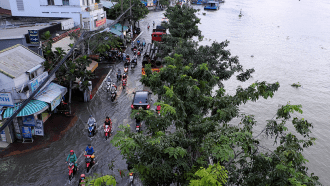
Explainer: Why sea levels aren’t rising at the same rate globally
The ocean is rising all over the world. The rise seems speedier in some places. What gives? Many factors, it turns out, affect where — and why — the tide gets high.
- Animals
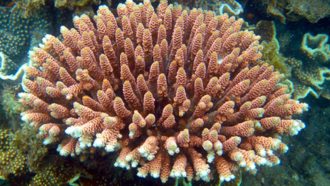
Ocean heat waves are on the rise — and killing coral
Ocean heat waves are becoming hotter and more frequent. And one can be blamed for the 2016 coral deaths on the Great Barrier Reef.
- Climate
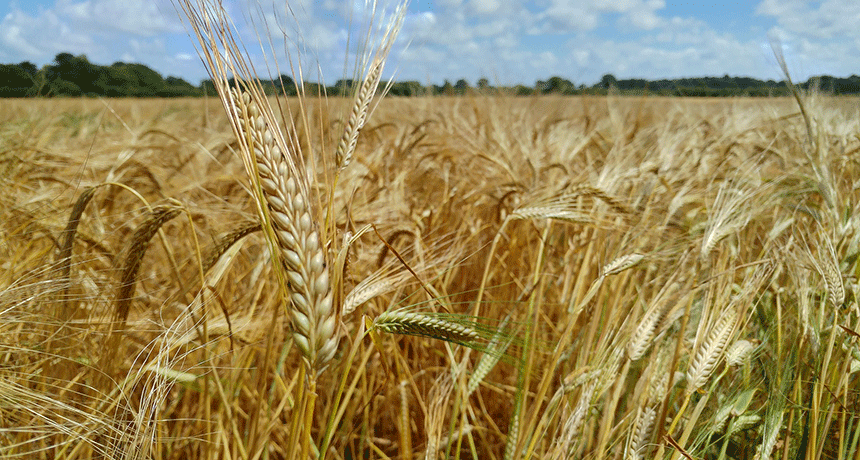
Analyze This: Climate change could make food less healthy
Levels of important nutrients are lower in crops exposed to high levels of carbon dioxide, a greenhouse gas. How high? Try levels expected to be typical 30 years from now.
- Earth
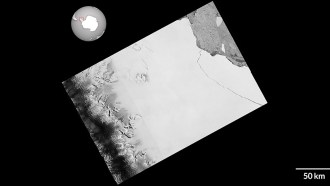
Antarctic ice shelf sheds Delaware-sized iceberg
Larsen C is a major ice shelf in Antarctica. An iceberg the size of Delaware has just splintered off of it in one of the largest calving events ever recorded.