HS-ESS3-5
Analyze geoscience data and the results from global climate models to make an evidence-based forecast of the current rate of global or regional climate change and associated future impacts to Earth systems.
- Animals
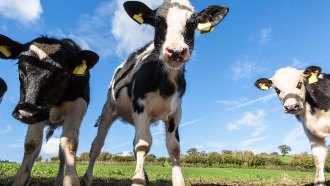
Analyze This: Cows burp less methane after early-life treatment
Calves that receive the 14-week treatment belch less of the greenhouse gas, possibly due to shifts in their gut microbes.
- Climate
Changing climate now threatens northern lakes year round
Lakes in northern climes are getting warmer, and that’s not good for people, plants or animals.
- Computing
Greening your digital life
The less electricity you use while playing video games or using your devices, the less impact you’ll have on climate change.
- Tech
Training AI to be really smart poses risks to climate
As artificial intelligence models grow larger and consume more energy, experts have begun to worry about their impact on Earth’s climate.
- Earth
Explainer: What are aerosols?
We may not see them, but tiny particles and droplets cloud the air, affecting its properties. Some may be pollutants, others all-natural products.
- Climate
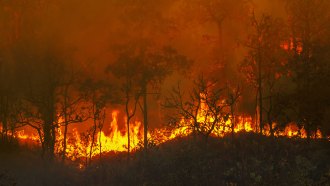
Can wildfires cool the climate?
Severe wildfires are becoming more common. Science is showing that the tiny particles they release into the air can alter Earth’s temperature — sometimes cooling it.
- Climate
Analyze This: 2020 ties with 2016 for hottest year on record
Last year capped the warmest decade on record. It coincided with a growing increase of warming greenhouse gases in Earth’s atmosphere.
- Earth
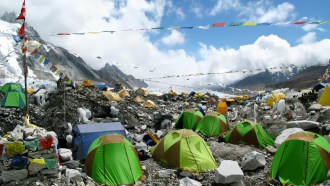
Analyze this: Microplastics are showing up in Mount Everest’s snow
Microplastics have made their way to the snow on Earth’s tallest peak. Most of the plastic likely comes from climbers’ equipment and clothes.
- Climate
Surprising long-haul dust and tar are melting high glaciers
Dust and tar blown onto high mountains, like the Himalayas, boost the melting of snow and ice far more than scientists had realized. Here’s why.
- Computing
Explainer: What is an algorithm?
These step-by-step instructions underlie social media, internet searches and other computer-based activities. But what are they exactly? We explain.
- Climate
The faster trees grow, the younger they die
As climate change spurs forest tree growth, it also shortens trees’ lives. That results in a quicker release of climate-warming carbon back into the atmosphere.
- Climate
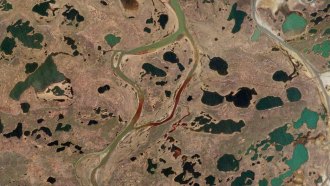
Siberian heat wave that caused an oil spill made more likely by climate change
The six-month heat wave in Siberia during the first half of 2020 would not have happened without human-caused climate change, researchers find.