HS-ESS3-5
Analyze geoscience data and the results from global climate models to make an evidence-based forecast of the current rate of global or regional climate change and associated future impacts to Earth systems.
- Animals
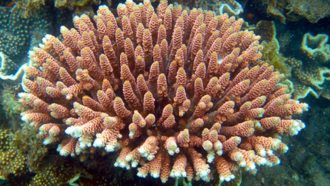
Ocean heat waves are on the rise — and killing coral
Ocean heat waves are becoming hotter and more frequent. And one can be blamed for the 2016 coral deaths on the Great Barrier Reef.
- Climate
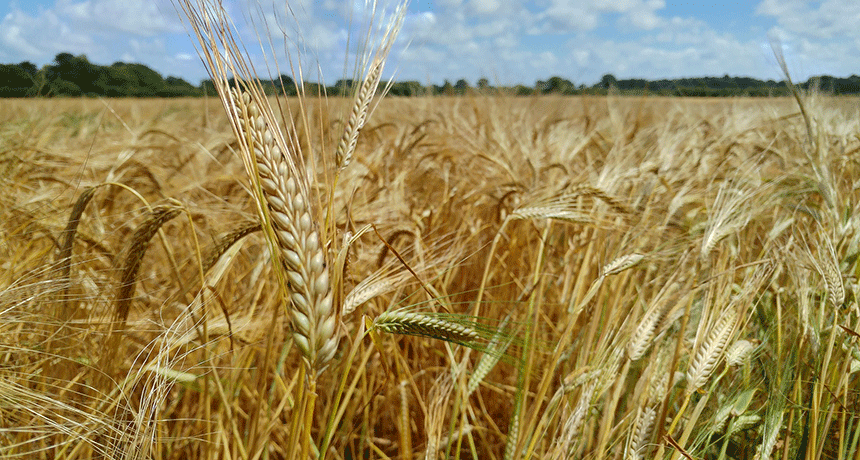
Analyze This: Climate change could make food less healthy
Levels of important nutrients are lower in crops exposed to high levels of carbon dioxide, a greenhouse gas. How high? Try levels expected to be typical 30 years from now.
- Earth
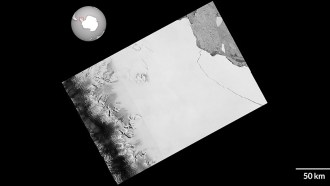
Antarctic ice shelf sheds Delaware-sized iceberg
Larsen C is a major ice shelf in Antarctica. An iceberg the size of Delaware has just splintered off of it in one of the largest calving events ever recorded.
- Climate
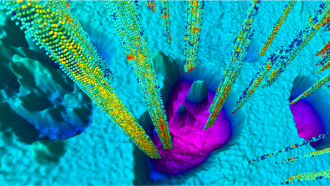
Ancient Arctic ‘gas’ melt triggered enormous seafloor explosions
Methane explosions 12,000 years ago left huge craters in bedrock on the Arctic seafloor. Scientists worry more could be on the way today as Earth’s ice sheets melt.
- Climate
Sea ice around Antarctica shrinks to record low
Just two years after reaching a record high, the Antarctic sea ice extent has reached a new low.
- Animals
Under blanket of ice, lakes teem with life
Life under frozen lakes is vibrant, complex and surprisingly active, new research finds. In fact, some plants and animals can only live under the ice. But with climate change, will that continue?
- Climate
2015’s record heat: It will soon be ‘normal’
The record-setting global temperatures seen in 2015 could become common as soon as the 2020s, and known as the “new normal.”
- Climate
Predicting a wildfire with data from space
When the West gets dry it can catch fire. A teen decided to find out if satellite data might show where a fire’s fuel might reside.
- Climate
Arctic Sea could be ice-free by 2050
Everyone contributes to the melting of Arctic sea ice, and all are in danger of making summer ice disappear there completely by 2050, a new study finds.
- Climate
Last year’s strong El Niño is gone. Next up: La Niña
The 2015 to 2016 El Niño was one of the three strongest on record. It’s now over. Climate experts now predict a La Niña is on its way.
- Earth
How ancient African fish feed today’s Amazon
Many of the world’s lushest tropical forests would starve if winds didn’t bring them nutrient-rich dust from across an ocean.
- Animals
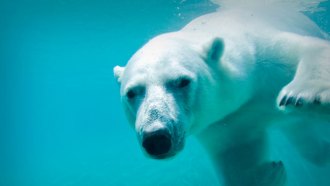
Polar bears swim for days as sea ice retreats
Melting sea ice is forcing polar bears to swim long distances — up to nine days in one case. Such long treks may be more than the bears can handle.