MS-ESS3-3
Apply scientific principles to design a method for monitoring and minimizing a human impact on the environment.
- Materials Science
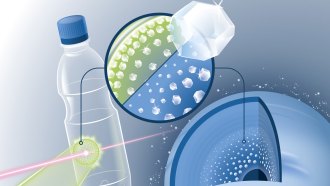
Laser light transformed plastic into tiny diamonds
The technique could be used to make nanodiamonds for quantum devices and other technology.
- Chemistry
No sun? No prob! A new process might soon grow plants in the dark
Teamwork makes green-work! Collaborating scientists came up with an electrifying farming trick that could make sunlight optional.
- Climate
Heat waves appear more life-threatening than scientists once thought
This is bad news as a warming planet leads to growing numbers of excessive heat waves — and millions more people facing potentially deadly temperatures.
- Health & Medicine
Wildfire smoke seems to pose its biggest health risk to kids
New studies, some of them in young monkeys, point to vulnerabilities affecting kids' airways, brains and immune systems.
- Health & Medicine
Western wildfire smoke poses health risks from coast to coast
As wildfires become more common, their hazardous smoke is sending East Coast residents — especially children — to emergency rooms.
- Chemistry
Simple process destroys toxic and widespread ‘forever’ pollutants
Ultraviolet light, sulfite and iodide break down these PFAS molecules faster and more thoroughly than other methods.
- Earth
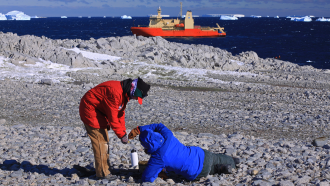
Uplifting Antarctic shores point to accelerating loss of glaciers
It appears the Pine Island and “Doomsday” Thwaites glaciers are losing ice — and shrinking faster — than at any time in the past 5,500 years.
- Animals
Some Greenland polar bears are surviving with very little sea ice
The ‘glacial mélange’ on which they’ve come to rely — a mix of ice, snow and slush — could be a temporary refuge for some polar bears.
- Animals
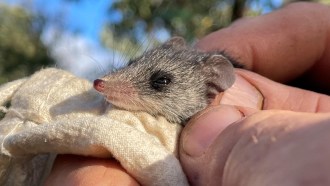
Palm-size marsupials may face extinction from wild ‘house’ cats
After surviving Australian bushfires, the Kangaroo Island dunnart is losing ground as it's targeted by hungry predators.
- Animals
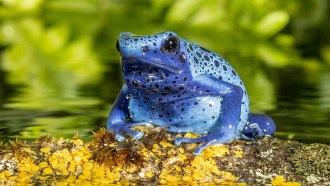
Let’s learn about amphibians
Amphibians are named after the Greek word for “double life” because many transform from water dwellers to landlubbers as they grow up.
- Climate
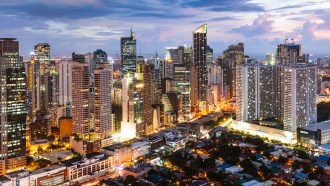
Coastal cities around the world are sinking, satellite data show
Of 99 coastal cities studied, nearly one-third are sinking. This leaves coastal communities increasingly vulnerable to rising seas.
- Chemistry
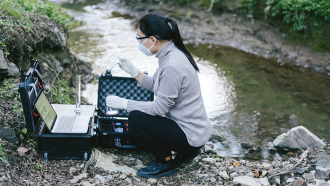
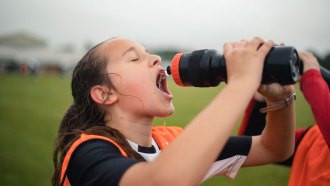
Reusable plastic bottles release hundreds of pollutants into water
Data show the plastic ends up tainting drinking water. For now, scientists don’t know what health risks downing these pollutants might pose.