MS-ESS3-3
Apply scientific principles to design a method for monitoring and minimizing a human impact on the environment.
- Environment
Bubbles could help remove trash from rivers
One young engineer devised a way to make bubbles sweep away the trash floating down a creek, like the one in her backyard.
- Chemistry
Let’s learn about cellulose
The world’s most abundant natural polymer is finding all kinds of new uses, in everything from ice cream to construction.
- Earth
Scientists Say: Atmosphere
An atmosphere is an envelope of gas around a planet, dwarf planet or moon.
- Environment
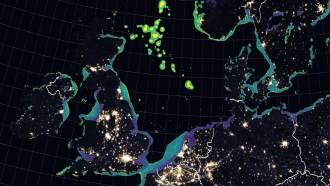
Night lights make even the seas bright
Light from coastal cities and offshore development may shine deep enough to disrupt tiny critters living dozens of meters (yards) below the surface.
- Chemistry
Ponds made to control floods can spew climate-warming gases, study finds
Younger stormwater ponds can release more carbon in gases than they absorb, a study finds. That could aggravate global warming.
- Environment
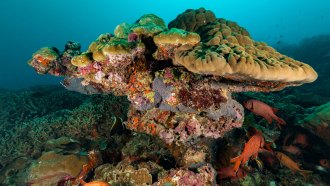
Analyze This: Corals stash microplastics in their skeletons
Scientists have wondered where the ocean’s microplastic pollution ends up. Corals may trap about 1 percent of particles in tropical waters each year.
- Climate
UN report calls for two-pronged approach to slow climate impacts
The latest IPCC climate change report underscores an urgent need for action to avoid the worst consequences of global warming.
- Chemistry
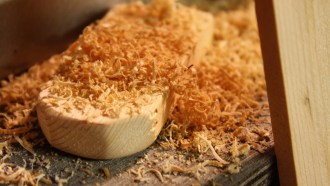
A disinfectant made from sawdust knocks out deadly microbes
It’s made by pressure-cooking sawdust and water, is cheap and easy to make — and could lead to greener cleaning products than chemicals used today.
- Climate
Satellites find big climate threats — ultra-emitters of methane
Eyes in the sky show many of the worst methane emitters are in countries that produce a lot of oil and gas, such as Russia and the United States.
- Earth
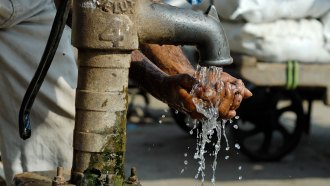
Let’s learn about Earth’s secret stash of underground water
Groundwater provides drinking water to billions of people and is used to water crops worldwide.
- Chemistry
New process can transform urban CO2 pollution into a resource
Researchers have developed a liquid metal that breaks down carbon dioxide in the air, converting it from a climate threat into a valuable raw material.
- Climate
Nuevo informe de la ONU sobre el clima: no hay tiempo que perder
En el informe de la ONU se vinculan directamente las temperaturas extremas, lluvias e incendios en todo el mundo con el clima cambiante de la Tierra.