MS-LS3-1
Develop and use a model to describe why structural changes to genes (mutations) located on chromosomes may affect proteins and may result in harmful, beneficial, or neutral effects to the structure and function of the organism.
- Health & Medicine
Experts rethink need for X-ray shielding of patients
For close to 70 years, workers who perform X-ray scans of the body have been advised to shield sensitive tissues with lead 'aprons.' That may soon stop.
- Health & Medicine
The many challenges of corralling a coronavirus outbreak
The Chinese government has quarantined millions of people in hopes of limiting spread of a new coronavirus. But no one yet knows how much this will help.
- Health & Medicine
Explainer: What is a coronavirus?
Coronaviruses are a diverse family of disease-causing agents. Some cause the common cold. Newer ones have emerged to pose more serious threats to people.
- Health & Medicine
Drug-resistant germs kill some 35,000 Americans each year
The new mortality rate may be way low, some experts say. Also troubling are two new germs that have emerged as big and urgent threats.
- Genetics
Explainer: How DNA testing works
Lots of companies will now test DNA from people and their pets. How do these gene-sequencing techniques work? We explain.
- Genetics
Explainer: Why scientists sometimes ‘knock out’ genes
How do we learn what a particular molecule does in the body? To find out, scientists often 'knock out' the gene that makes it. Here’s how.
- Genetics
Explainer: How CRISPR works
Scientists are using a tool called CRISPR to edit DNA in all types of cells.
- Genetics
Scientists Say: Chromosome
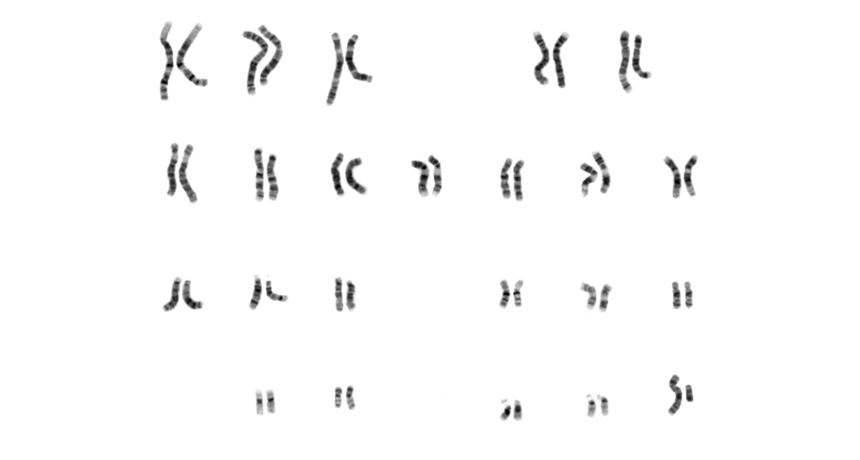
This threadlike structure is made of DNA wrapped around protein. It allows the 3 billion base pairs in human DNA to stay neatly packaged in a cell.
- Microbes
Tweaked germs glow to pinpoint buried landmines
Finding landmines could become much safer with a new technology. It uses genetically modified bacteria that glow under laser light.
- Health & Medicine
Analyze This: Zika and microcephaly
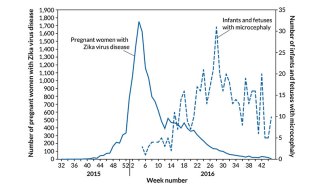
Data from pregnant women with Zika in Colombia helped scientists probe whether Zika causes birth defects.
- Science & Society
Fossils point to Neandertal diets — and medicine use
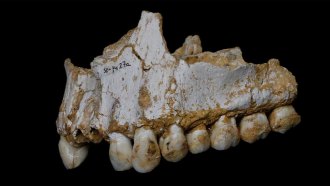
Whether Neandertals were largely meat-eaters or vegans depended on their environment, fossils now suggest. Their teeth also indicate they used natural medicines.
- Genetics
How to make a ‘three-parent’ baby
Scientists combined an egg, sperm and some donor DNA: The end result: what appears to be healthy babies.