MS-LS3-1
Develop and use a model to describe why structural changes to genes (mutations) located on chromosomes may affect proteins and may result in harmful, beneficial, or neutral effects to the structure and function of the organism.
- Animals
How do you build a centaur?
A centaur has the torso of a human and the body of a horse. It may sound cool, but it wouldn’t work very well.
- Health & Medicine
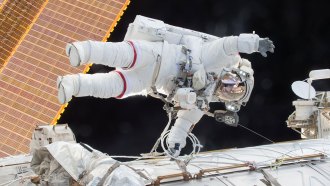
Space travel may harm health by damaging cells’ powerhouses
Biochemical changes after going to space suggest that harm to cells’ energy-producing structures, called mitochondria, could explain astronauts’ health issues.
- Humans
Some identical twins don’t have the exact same DNA
Identical twins may not be exactly identical. Mutations may arise early in development that account for tiny genetic differences between siblings.
- Health & Medicine
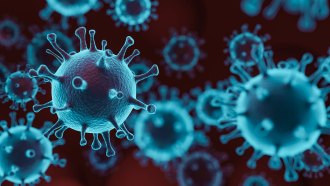
Early details emerge about the new U.K. coronavirus variant
The variant may spread more easily from person to person. That could make continuing to wear masks all the more important, experts say.
- Genetics
Gene editing can alter body fat and may fight diabetes
Researchers have long dreamed of using brown fat to fight obesity and diabetes. Work in animals shows they’re closing in on achieving that dream.
- Health & Medicine
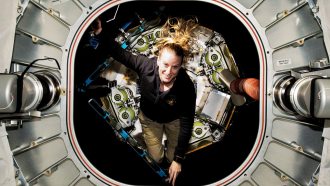
Surviving Mars missions will take planning and lots of innovation
Astronauts that go to Mars will need protection from microgravity and radiation, plus mini-medical devices to diagnose problems and manage emergencies.
- Chemistry
2020 chemistry Nobel goes for CRISPR, the gene-editing tool
Only eight years after its development, CRISPR has revolutionized genetics. It also just brought Emmanuelle Charpentier and Jennifer Doudna acclaim.
- Genetics
A Hong Kong man got the new coronavirus twice
His is the first confirmed case of reinfection with this virus. His second bout was detected by accident, because he showed no symptoms.
- Animals
Why elephants and armadillos might easily get drunk
Stories of drunken elephants may not be a myth. Differences in a gene for breaking down alcohol could explain how they get tipsy.
- Animals
What would it take to make a unicorn?
Onward’s dumpster-diving unicorns seem like an impossibility. But scientists have some ideas about how unicorns could become real.
- Animals
The many efforts to lick cat allergies
Up to one in five people around the world may be allergic to cats. Science is coming to help their desire for kitty cuddles.
- Animals
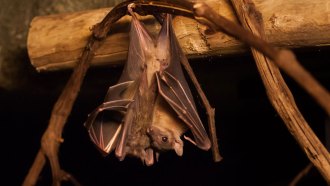
Immune arms-race in bats may make their viruses deadly to people
An overactive immune system may help bats avoid being sickened by many viruses. This may viruses becoming stronger — and deadlier — when they hit other species.