Archaeology
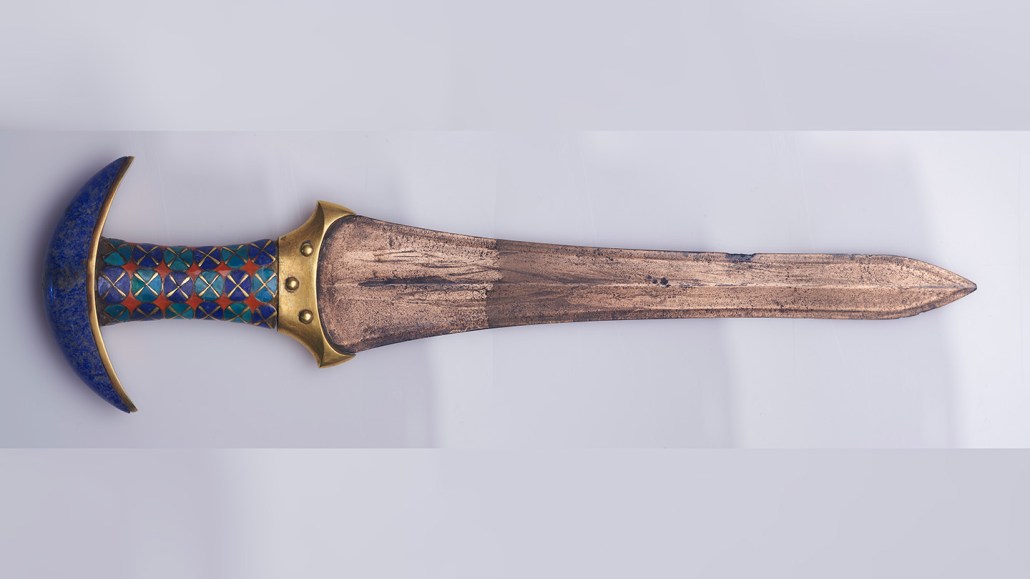
Ancient Egyptian princesses may have been skilled warriors
A study of six mummies from ancient Egypt challenges the idea that the weapons buried with some royal women were merely ceremonial.
By Tom Metcalfe
Decades of aboveground nuclear weapons tests, starting in the 1950s, lightly littered the planet with toxic fallout, which appears to have sickened some people.
Two AI models designed these genomes for viruses that kill E. coli bacteria. They’re the first functioning full sets of DNA ever designed by machines.
Horse breeders altered two genes by targeting certain traits in horses. One made the animals tamer. Another made their backs sturdy enough to carry riders.
Shimon Sakaguchi won for discovering T-reg immune cells. Mary Brunkow and Fred Ramsdell won for showing the cells’ role in autoimmune disease.
Where those red beans — also called adzuki — came from had been murky. A new study says it all started in Japan.
This complete set of DNA carries all the basic “how-to” instructions an organism needs to grow, develop and live.
Tim Friede built immunity to snake venoms through bites and venom injections. His blood proteins now offer antivenom protection against 13 types of snakes.
Juan Manuel Vazquez studies the anti-aging genes that have allowed some animals to evolve to live remarkably long lives.
The variant gene is found on the X chromosome. This sex-linked trait for orange fur is found only in domesticated cats.