MS-LS3-1
Develop and use a model to describe why structural changes to genes (mutations) located on chromosomes may affect proteins and may result in harmful, beneficial, or neutral effects to the structure and function of the organism.
- Genetics
Explainer: How PCR works
The polymerase chain reaction, or PCR, is like a DNA-copying machine. It duplicates genetic material over and over. Here’s how.
- Genetics
Scientists find genes that make some kids’ hair uncombable
Scientists have pinpointed three genes that cause ‘uncombable hair syndrome’ in some kids.
- Agriculture
World’s tallest corn towers nearly 14 meters
Short nights and a genetic tweak helped novel corn reach record heights.
- Brain
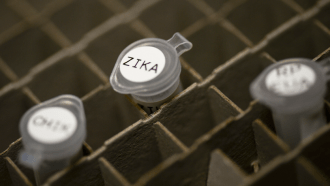
Zika birth defects: Concerns spread from head to toe
Zika infections may trigger problems well beyond babies born with small heads and brains. Scientists have begun linking a range of head-to-toe health ails to the virus.
- Animals
Tasmanian devils begin to resist infectious cancer
A deadly contagious cancer is spreading among Tasmanian devils. But the animals are evolving resistance, a new study finds.
- Life
Scientists watch germs evolve into superbugs
To study how bacteria can evolve resistance to a wide variety of drugs, scientists spread the germs on a food-filled plate the size of a foosball table. Then, they watched resistance rise.
- Agriculture
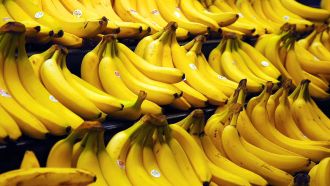
Bananas under attack: Understanding their foes
Fungal blights threaten the world’s most popular fruit. But genetic studies hint at new ways to combat some of these diseases.
- Animals
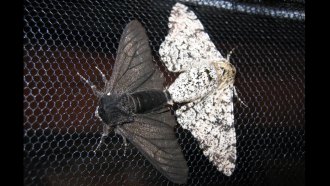
How a moth went to the dark side
Peppered moths and some butterflies are icons of evolution. Now scientists have found a gene responsible for making them so.
- Animals
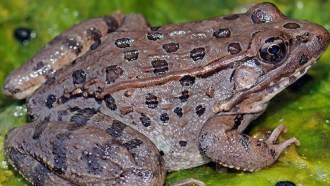
Why some frogs can survive killer fungal disease
A disease is wiping out amphibian species around the globe. New research shows how some frogs develop immunity.
- Genetics
Genes: How few needed for life?
Scientists rebuilt a microbe using its old genes. But not all of them. They used as few building-blocks as they could get away with and still have the life-form survive.
- Animals
Cool Jobs: Pet science
Pets make great subjects for research. These scientists work to make our animals — and us — healthier and happier.
- Animals
Gene editing swats at mosquitoes
A new genetic technique can render insects that spread malaria unable to reproduce.