Animals
- Ecosystems
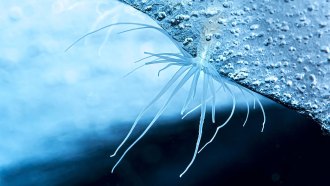
A weird upside-down world lurks beneath Antarctica’s ice
A vast swath of ocean surrounds Antarctica, hidden under the ice. Here, strange creatures burrow into the dark underbelly of a floating glacier.
- Animals
Let’s learn about birdwatching for beginners
One birdwatcher unpacks the personal and scientific rewards of birding, and how to get started.
- Animals
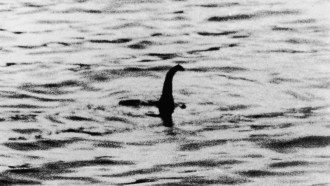
Have you seen Bigfoot or the Loch Ness Monster? Probably not
Floe Foxon is a data scientist by day. In his free time, he applies his skills to astronomy, cryptology and sightings of mythical creatures.
- Animals
Swimming in schools lets fish save lots of energy
Each tail flap uses less than half as much energy than swimming solo, making it easier for fish to catch their breath after an underwater sprint.
- Animals
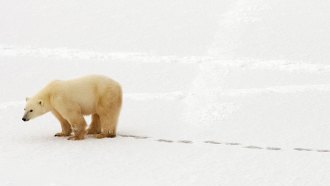
Paw-print DNA lets scientists track out-of-sight polar bears
This environmental DNA can aid in conserving species that are hard or dangerous to observe.
- Animals
A newfound type of hedgehog is small, dark and adorable
At first, this hedgehog was mistaken for a lookalike relative. But its teeth, skull shape and DNA confirmed it as a new species.
- Animals
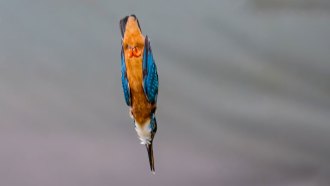
Here’s how kingfishers avoid concussions during high-speed dives
Understanding the genetic adaptations that protect the birds’ brains as they dive might one day offer clues to protecting human brains.
- Animals
Horned lizards and snakes tend to ambush their prey
The reptiles’ horns could help or hinder during foraging, depending on how they hunt. This might be why horns evolved in some species and not others.
- Animals
Pikmin’s plant-animal mashups don’t exist — but sun-powered animals do
Corals team up with photosynthetic zooxanthellae. Some sea slugs steal chloroplasts. How might animals and plants team up in Nintendo’s Pikmin games?
- Animals
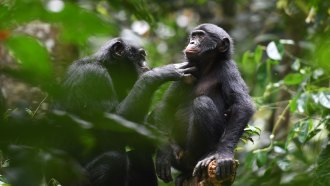
Bonobos cooperate across social groups — even with no clear payoff
Bonobos cooperate with outsiders, even when they get no clear benefit out of it. This could shed light on social evolution in other primates, even us.
- Animals
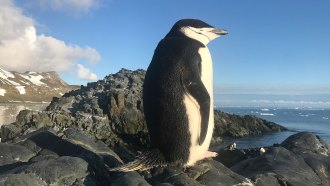
These penguins nap 10,000 times a day, for seconds at a time
Such an extreme sleep schedule may help nesting chinstrap penguins protect their young while still getting more than 11 hours of shut-eye.
- Psychology
Pets and other animals can boost health and well-being
Living with animals seems to provide some health benefits, from lower stress levels to a stronger immune system.