Animals
- Animals
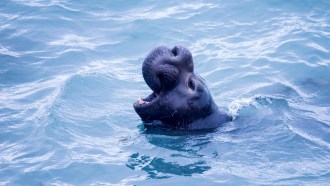
Northern elephant seals snooze only two hours a day at sea
These marine mammals sleep only minutes at a time on months-long trips at sea.
- Animals
Explainer: What is animal domestication?
The difference between a dog and a wolf isn’t looks or genes or even behavior. It’s the relationship these animals have with people.
- Animals
Scientists Say: Coral
Over 4,000 species of fish make their home among the reefs created by these colony-dwelling marine animals.
- Fossils
T. rex may have hidden its teeth behind lips
Dinosaurs like Tyrannosaurus have long been portrayed with their big teeth bared. But new research suggests this wasn’t so.
- Materials Science
Analyze This: A new fabric mimics polar bears’ pelts for warmth
With layers that work like polar bears’ skin and fur, a material absorbs light and keeps it from escaping.
- Fossils
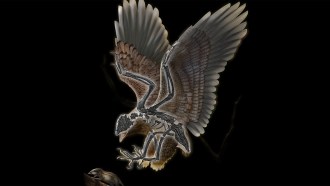
This ancient bird rocked a head like a T. rex
This bird from 120 million years ago had a head like a dinosaur and a body more like today’s birds.
- Fossils
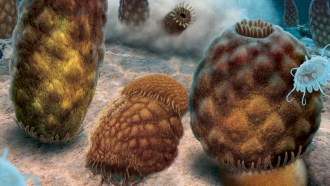
Ancient jellyfish? Upside down this one looks like something else
A new look at an ancient sea animal called Essexella suggests it may have been a type of burrowing sea anemone, not a floating jelly.
- Tech
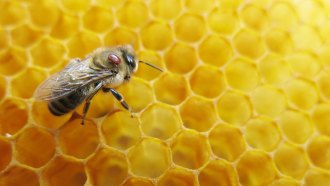
A device spots and counts honeybees hosting a dangerous parasite
At Regeneron ISEF, three teens debuted an infrared system to detect honeybees carrying mites. It can show beekeepers when a colony needs to be treated.
- Brain
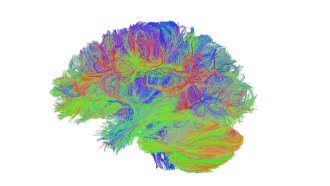
Scientists Say: Connectome
A connectome is a diagram of the cellular highways that carry information in the brain.
- Animals
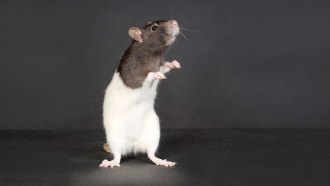
Rats can bop their heads to a musical beat
Rats’ rhythmic response to human music doesn’t mean they like to dance. But it may shed light on how brains evolved to perceive rhythm.
- Ecosystems
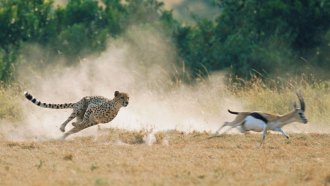
Scientists Say: Food web
All the species in an ecosystem and the feeding relationships between them get summed up with this handy picture.
- Brain
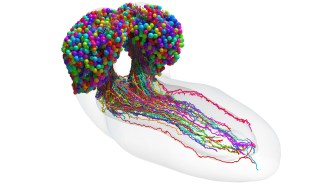
Scientists mapped every nerve cell in this insect brain
Researchers have built a “connectivity map” of all the nerve cells in the larval fruit fly brain and how they link together.