Animals
- Animals
Echoes of hunting
Bats use high-pitched sounds to zero in on prey, converting what they hear into how they fly.
-
- Animals
Ultrasonic Frogs Raise the Pitch
Some frogs that live in noisy streams communicate by using ultrasonic calls.
- Fossils
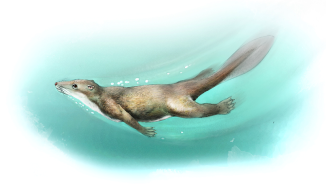
Mammals in the shadow of dinosaurs
Not all early mammals that lived in the age of dinosaurs were shy and retiring.
- Animals
Cannibal Crickets
Hunger and danger keep a certain type of cricket hopping along in large swarms.
- Animals
Killer Flatworms Hunt with Poison
A newly discovered flatworm uses poison to hunt small, shelled sea creatures.
-
- Animals
Red Apes in Danger
The population of orangutans in northeastern Borneo appears to be falling rapidly.
- Animals
Polly shouldn’t get a cracker
When female kakapo parrots go on a diet, they produce fewer male chicks.
- Animals
A whale’s amazing tooth
The narwhal's long tusk may sense changes in water temperature and pressure, helping the sea animal survive in the Arctic.
-
- Animals
Young Ants in the Kitchen
Certain ant larvae fix dinner for adults and don't even sneak snacks as they cook.