Archaeology
When we were prey
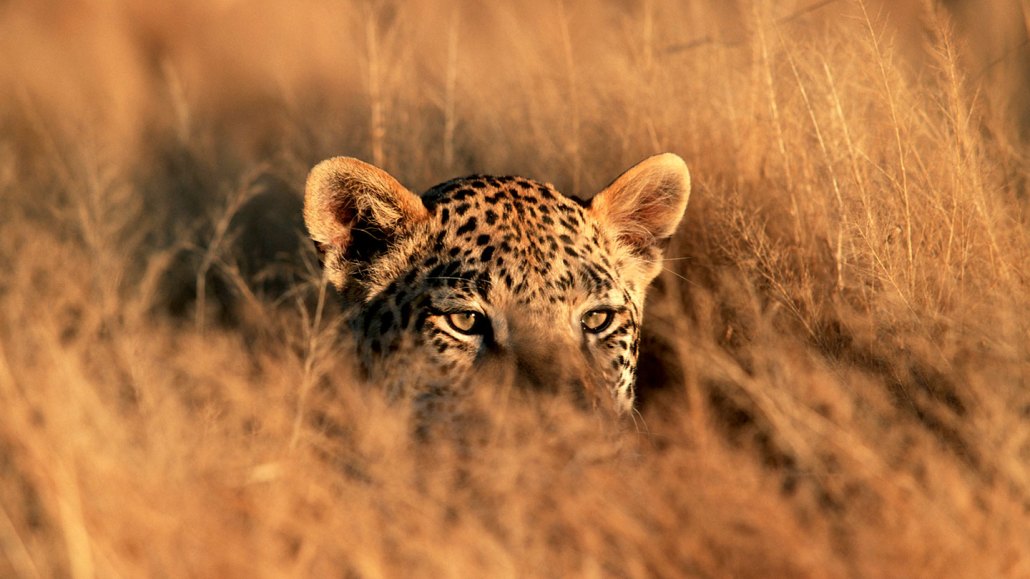
Bite marks on a 2-million-year-old human jaw suggest leopards once hunted people as prey. People likely survived by learning to team up.
Cave dirt suggests one ancestral species was using fire around 1.8 million years ago. That pushes back the earliest known use by about 800,000 years.
These cold-loving yeasts may be thousands of years old. They also suggest the mummy’s remains may not be completely frozen in time.
The remains of at least 37 people sit in an ancient stone “jar.” They suggest thousands of such jars in Laos are burial vaults.
Its materials, shape and internal design have helped this ancient wonder withstand strong shaking.
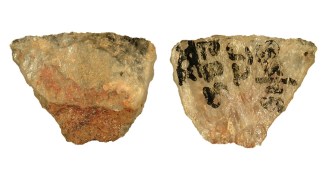
A study of ancient artifacts suggests Native American dice games began thousands of years earlier than previously documented.
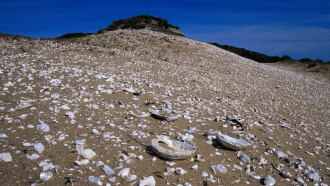
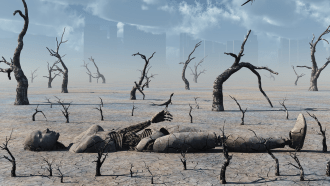
Experts predict that the durability of modern, human-made materials will give rise to a radical new form of fossil.
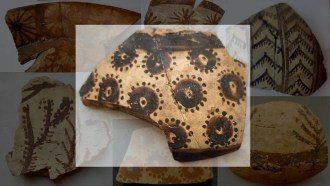
The numbers of petals painted on 8,000-year-old pottery showed a distinct numerical pattern.
Traces of poison on the South African arrowheads hint that people used poisoned weapons 50,000 years earlier than previously thought.
Flint, iron pyrite and fire residues found at an ancient site in England offer the earliest clear evidence of people lighting fires.