Earth
- Climate
Seven tips for staying safe in frigid weather
Maps? Check. Water? Check. Insulating clothes? Check. Here’s the checklist to consult before planning to trek out in the frigid cold.
- Climate
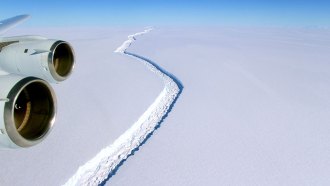
Massive ice shelf is poised to break off of Antarctica
A fast-growing crack in Antarctica’s Larsen C ice shelf could soon release a truly huge hunk of ice into the ocean.
- Climate
Feverish climate is melting glaciers, study confirms
Dwindling glaciers are “categorical evidence of climate change,” a new study affirms.
- Agriculture
World’s tallest corn towers nearly 14 meters
Short nights and a genetic tweak helped novel corn reach record heights.
- Earth
Editors’ top picks for 2016
From gravity waves to climate’s human impact and an exploration of post-election racism, we’ve covered the year’s major stories. Here what was most important.
- Animals
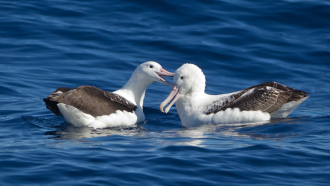
Food-like smell on plastic may lure seabirds to eat it
When plastic smells like supper, seabirds and other animals can be fooled into thinking it is food.
- Climate
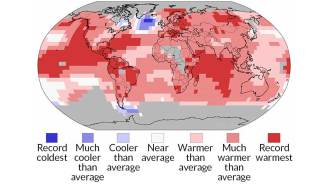
2015’s record heat: It will soon be ‘normal’
The record-setting global temperatures seen in 2015 could become common as soon as the 2020s, and known as the “new normal.”
- Climate
Predicting a wildfire with data from space
When the West gets dry it can catch fire. A teen decided to find out if satellite data might show where a fire’s fuel might reside.
- Agriculture
Teen develops water-saving pods for seeds
In California’s drought, every drop of water counts. A teen developed a capsule to keep sprouting seeds wet and reduce water use.
- Environment
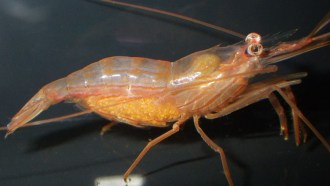
Ocean of the future may make shrimp small and colorful
Carbon dioxide released into the air can end up in the ocean, making it more acidic. A teen showed that this acidification could shrink shrimp and make them more colorful.
- Climate
Arctic Sea could be ice-free by 2050
Everyone contributes to the melting of Arctic sea ice, and all are in danger of making summer ice disappear there completely by 2050, a new study finds.
- Earth
Beaches can be a germy playground
Infectious microbes can flourish on sandy beaches. Scientists are now exploring how to find and monitor these hotspots for pollution that can make vacationers sick.