Earth
- Climate
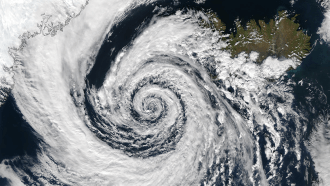
‘Weather bomb’ storms send tremors through Earth
Scientists have detected tiny tremors in the Earth coming from an extreme storm. One day, those tiny tremors could help reveal Earth’s innermost secrets.
- Earth
Scientists Say: Permafrost
In polar regions, it gets cold enough that the very dirt will freeze, and stay frozen. This soil has a special name.
- Earth
These may be the oldest fossils on Earth
Some mini mounds in Greenland may just be the earliest evidence of life on Earth, deposited a mere 800,000 years after our planet first formed.
- Agriculture
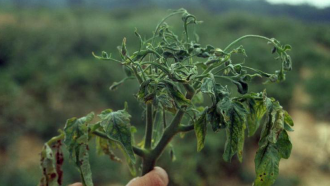
Sneaky! Virus sickens plants, but helps them multiply
The cucumber mosaic virus helps tomato plants lure pollinators. When the plants multiply, the virus now gets new hosts.
- Chemistry
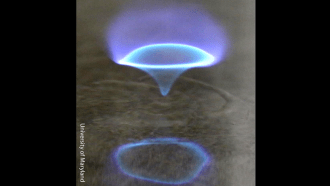
Lab creates new, unexpected type of ‘firenadoes’
A newly discovered type of fiery vortex burns hot and generates little soot. Scientists suspect it could be a solution to cleaning up oil spills at sea.
- Environment
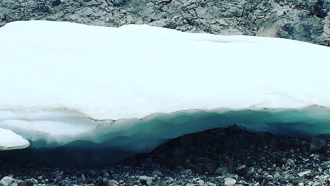
Scientists Say: Aufeis
Water keeps flowing underground even in the coldest Arctic winters. But when it comes to the surface, it chills out and forms large layers of ice — called aufeis.
- Ecosystems
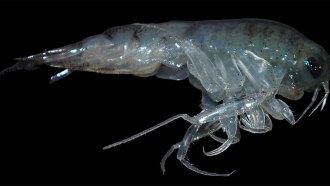
Algae embedded in sea ice drive the Arctic food web
Scientists traced where zooplankton in the Arctic get their energy from. Many open ocean species rely on algae found in sea ice, which is disappearing.
- Climate
Scientists Say: Albedo
To measure how much light reflects off an object, scientists measure its albedo.
- Chemistry
Oxygen-rich air emerged super early, new data show
Scientists had thought animals were slow to emerge because they would have needed oxygen-rich air to breathe. A new study finds that plentiful oxygen may have developed early. So animals may have been late on the scene for another reason.
- Agriculture
The first farmers were two groups, not one
The humans that began farming 10,000 years ago in the Fertile Crescent may have been two cultures living side-by-side.
- Earth
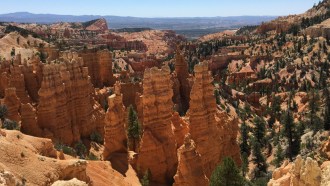
Scientists Say: Hoodoo
When softer rocks are covered with a harder rock layer, weathering can wear away the softer stone. This will leave behind tall thin towers — hoodoos.
- Earth
Something in plastics may be weakening kids’ teeth
The body can confuse some pollutants for a natural hormone. Researchers in France now find such pollutant exposures in childhood may lead cells to make defective tooth enamel.