Humans
- Brain
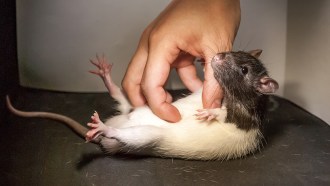
To reveal how the brain creates joy, start by tickling rats
Rats love a good tickle. Not only do they beg for more, but the action itself activates a part of the brain that detects touch, researchers find.
- Psychology
Racism hurts
Hate crimes and harassment since the 2016 election affirm that racism still exists in America. Here’s what racism is, how it hurts and how people who witness it can respond.
- Health & Medicine
Five things students can do about racism
Racism plagues societies around the world and has since ancient times. But scientists who have studied its impacts offer suggestions on how to make it stop.
- Brain
What makes a pretty face?
Beautiful faces are symmetrical and average. Do we prefer them because this makes them easier for our brains to process?
- Health & Medicine
Implant traps cancer cells on the move
A device implanted under the skin extended the life of mice with breast cancer. It trapped injected cancer cells before they created tumors in organs throughout the body.
- Health & Medicine
Simpler way to screen for hidden hearing loss?
Many teens today walk around with undiagnosed hearing damage. But some Boston-based researchers have come up with a low-tech approach to screening these individuals so they can get help.
- Health & Medicine
‘Ringing’ in the ears may signal serious ear damage
A persistent ringing in the ears, also known as tinnitus, has become common in teens — and may point to eventual, permanent hearing loss.
- Chemistry
Milking chocolate for its health benefits
Researchers figure out how to give milk chocolate the same health benefits as dark chocolate. The secret ingredient is an extract from peanut skin.
- Health & Medicine
Could toothpaste give heart disease the brush-off?
Brushing with a toothpaste that dyes plaque green encourages people to remove more of it. This also lowered inflammation, which may cut someone’s risk of heart disease.
- Brain
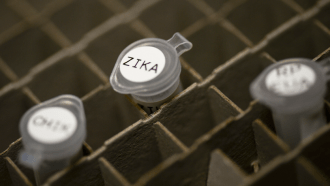
Zika birth defects: Concerns spread from head to toe
Zika infections may trigger problems well beyond babies born with small heads and brains. Scientists have begun linking a range of head-to-toe health ails to the virus.
- Genetics
New date for U.S. arrival of the AIDS virus
A new study shows that HIV started circulating at least a decade earlier than previously realized.
- Health & Medicine
Vaping may put your smile at risk
As e-cigarette use among teens rises, scientists find that vaping may cause cellular damage to the mouth, gums and teeth. Even the cells’ DNA was affected.