Humans
- Health & Medicine
Heart risks seen in regular vapers
New symptoms show up in regular e-cigarette users. They suggest vapers are putting themselves at elevated risk of heart disease
- Health & Medicine
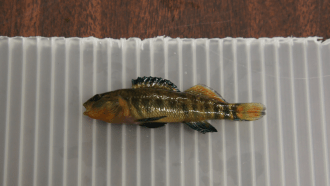
Cleaner water helps male fish again look and act like guys
Water pollution can give male fish female traits — such as the ability to make eggs. And that’s not a good thing. Better water treatment may prevent that, data now show.
- Health & Medicine
Bullying hurts — but peer support really helps
Bullied kids face more mental illness as adults, new studies find. Other research suggests support from other kids can lessen the impacts.
- Chemistry
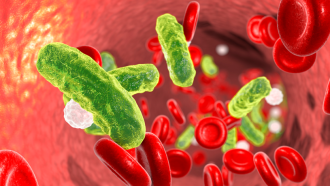
Magnets may one day cull deadly germs from blood
A new technique for slowing the deadly condition called sepsis would use tiny iron particles and magnets.
- Brain
Stuttering: Blood flow in the brain may play a role
A new study shows people who stutter have less blood flow to a language center in the brain known as Broca’s area.
- Health & Medicine
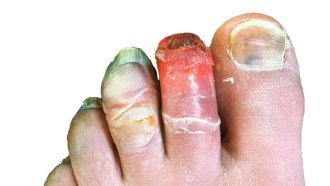
Scientists Say: Frostbite
As we get cold, the blood vessels near our skin constrict to keep body heat in. But in the process, they leave some tissues in danger of frostbite.
- Health & Medicine
Violence spreads like a virus
New research shows that the friends of violent teens are much more likely to become violent themselves.
- Health & Medicine
Scientists Say: Hypothermia
Our bodies need to stay warm to function correctly. If our temperature drops too much, we can suffer from hypothermia.
- Archaeology
Cool Jobs: Hunting surprises in thinning glaciers
Meet three scientists who are tracking the meltdown of Earth’s glaciers. They share their adventures, predictions and unexpected discoveries.
- Animals
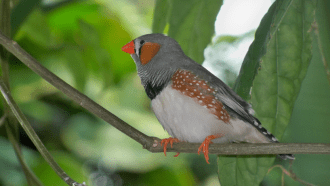
How birds know what not to tweet
How do birds perfect their pitches? The chemical dopamine spikes when they sing right, and dips when they drop a note, new data show.
- Brain
Explainer: What is dopamine?
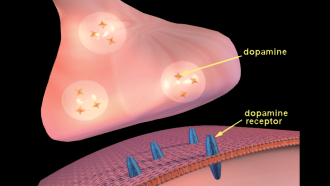
Dopamine is a chemical messenger that carries signals between brain cells. It also gets blamed for addiction. And a shortage of it gets blamed for symptoms of diseases such as Parkinson’s.
- Brain
Explainer: What is neurotransmission?
When brain cells need to pass messages to one another, they use chemicals called neurotransmitters. This sharing of chemical secrets is known as neurotransmission.