Life
- Animals
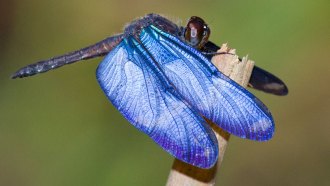
Could a dragonfly’s wings be alive — and breathing?
Highly magnified image showing what looks like breathing tubes suggests the morpho dragonfly’s wings may be unexpectedly alive.
- Genetics
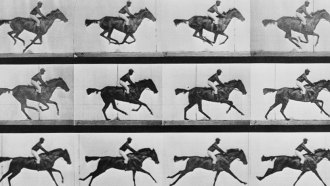
Scientists hide a real movie within a germ’s DNA
A gene-editing technology called CRISPR helped scientists encode a short movie in the DNA of E. coli bacteria.
- Genetics
Explainer: How CRISPR works
Scientists are using a tool called CRISPR to edit DNA in all types of cells.
- Animals
Night lights have a dark side
Artificial light at night not only affects our view of the night sky, but also has the ability to impair animal behaviors — and probably our health.
- Animals
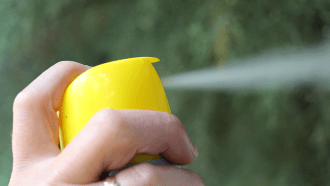
Analyze This! Mosquito repellents that work
Spray-on repellents are generally the best at keeping those blood suckers from making you their next meal, new data show.
- Agriculture
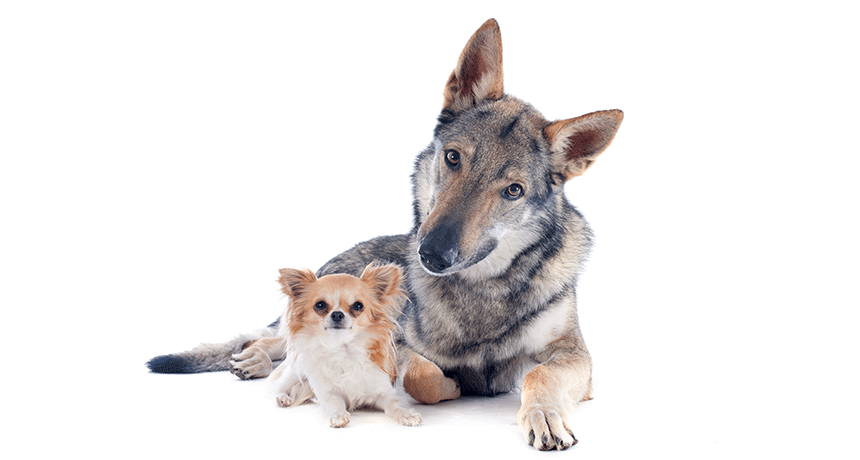
Scientists Say: Domestication
Domestication is the process of deliberately taking a wild organism — a plant or animal for instance — and making it a part of our daily lives.
- Animals
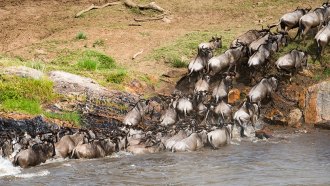
Wildebeest drownings feed a river ecosystem for years
Hundreds or thousands of wildebeests can drown at a time in the Mara River. Those carcasses, however, will feed a succession of other animals.
- Health & Medicine
Explainer: What is a vaccine?
Vaccines give the body’s natural defense system a boost against infectious disease.
- Animals
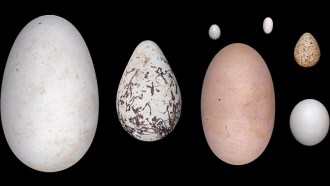
Evolving for flight may have changed the shapes of bird eggs
Birds that are strong fliers tend to have stretched-out or asymmetrical eggs. This might reflect how their bodies evolved for flight.
- Life
Scientists Say: Biofilm
When times get tough, some microbes like to stick together. They form a mass stuck to a surface, called a biofilm.
- Animals
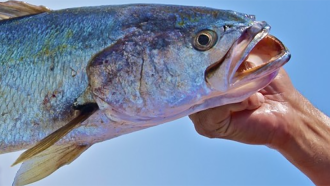
Listening to fish love songs can predict their numbers
Gulf corvinas croak for mates while in groups of millions. By listening to their undersea serenades, scientists may be able to estimate how many are out there.
- Agriculture
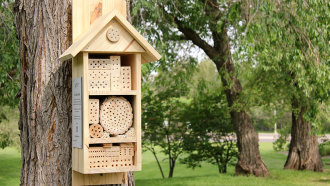
Bee hotels are open for business
Bee hotels are creating a buzz in conservation and research by offering nesting places for wild bees.