Life
- Plants
Let’s learn about autumn leaves
Here’s why some trees put on a colorful grand finale before losing their leaves for the winter.
- Microbes
Ants are the secret ingredient to this tasty yogurt
The traditional yogurt-making technique was once popular in parts of Europe and Asia. But don’t try this at home!
- Physics
Scientists shrink 3-D printing so it can work inside cells
The new tech created barcodes, micro-lasers and a tiny elephant — all in living cells.
- Brain
Big moments can help you remember little things, too
Emotional events help solidify memories. Scientists think this could someday help students study better or aid recovery of trauma survivors.
- Animals
Some gifted dogs can learn to sort their toys
Among dogs known to be gifted word learners, some can also sort toys by how they are used during play time. It’s one sign of a complex thought process.
- Animals
Scientists Say: Kleptotrichy
Based on the Greek words for theft and hair, kleptotrichy is a more common bird behavior than people thought.
- Animals
Birds are singing longer, thanks to light pollution
In light-polluted areas, birds spend an average of 50 minutes more per day singing. It’s unclear how that extra time might hurt or help the birds.
- Animals
Ants are better team players than people [COMIC]
For ants, teamwork makes the dream work. For humans, teamwork can be a trip-up.
- Earth
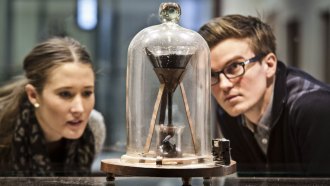
These ultra-long experiments outlive their scientists — on purpose
To study phenomena that unfold over decades or even centuries, scientists may launch projects they may never see finished.
- Brain
To our brains, your red is my red
A given color may spark similar brain activity across individuals, new research suggests. This could settle a long-standing debate.
- Chemistry
Let’s learn about surprising uses for human waste
Around the world, scientists are investigating ways to turn poop and pee into fertilizer, fuel and construction materials.
- Microbes
Scientists Say: Microcin
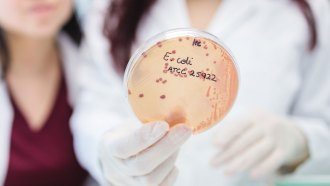
Small and deadly (to bacteria), these protein-like molecules fight the growth of potentially dangerous germs in our gut.