Life
- Plants
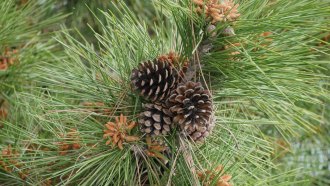
Unlock pinecone secrets with this science activity
Let’s find out how pinecones respond to different temperatures — by mimicking changes in weather from the comfort of our own kitchens!
- Animals
Save the sharks to save the ocean
Humans have driven sharks and their cousins to the brink of extinction, but it’s not too late to turn the tide. At stake is the health of the entire ocean.
- Animals
Explainer: What is a shark?
These fish have skeletons made of cartilage, not bone — and aren’t nearly as scary as portrayed in the media.
- Materials Science
Scientists transform pee into a golden opportunity
By transforming urine into a valuable medical product, scientists hope to change how we view this human waste.
- Animals
A shark encounter inspired this researcher’s career in marine biology
Heidy Martinez never wanted to study sharks as a kid. That changed after encountering a white shark in South Africa.
- Ecosystems
Scientists Say: Transplant
Transplant means to move something from one place to another. A transplant can involve something as small as a cell or as large as a whole population.
- Plants
Potatoes and tomatoes share a surprising history
Today’s potato likely came from a chance cross between an ancient tomato and a spud-less potato-plant lookalike, research shows.
- Animals
Let’s learn about tardigrades
These tiny animals can survive drying out, freezing, harsh radiation and other hazards.
- Health & Medicine
Seeing sick faces revs up our immune system, new data show
It activates parts of the brain that detect threats and boosts the activity of at least one type of immune cell.
- Plants
Physics explains how rose petals get their iconic shape
Scientists thought they knew what was behind rose petals’ geometry. They were wrong.
- Animals
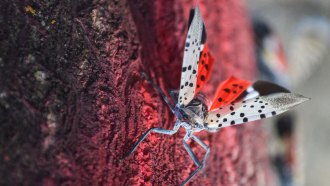
Quashing the spotted lanternfly may require help from other species
This invasive pest has spread to 17 U.S. states and may threaten vineyards. But bats, fungi, dogs and even trees may help halt the lanternfly's spread.
- Animals
What dogs see on TV depends on their temperament
Breed, age or sex didn’t seem to matter in how dogs reacted to TV, but personality did. That’s according to a survey of more than 400 dog owners.