Life
- Fossils
Dinosaur dig
Researchers uncover the fossil bones of a new species of long-necked, plant-eating dinosaur.
- Animals
Saving Africa’s Wild Dogs
Learning more about African painted dogs may help keep these wild animals from dying out.
- Animals
Ants on Stilts
Some ants appear to estimate distances by keeping track of the number of steps they take.
- Animals
Feeding School for Meerkats
Meerkats teach their young how to catch and kill prey such as scorpions and spiders.
-
- Health & Medicine
Sun screen
Too much exposure to the sun's ultraviolet rays can damage human skin. That's why doctors recommend people who will be outdoors for long hours in the summer sun protect their skin.
-
- Fossils
An Ancient Spider’s Web
The diets of some spiders haven't changed much in millions of years.
- Animals
Spotting the World’s Leggiest Animal
Researchers have rediscovered and studied a millipede with as many as 750 legs.
- Animals
Not Slippery When Wet
A tree frog's specially designed feet allow it climb wet or dry slopes.
- Animals
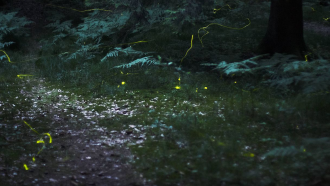
Firefly delight
Decoding firefly flashes unveils mating signals and other secrets of insect life.
- Plants
Pumping up poison ivy
Boosting carbon dioxide levels makes poison ivy grow faster and become more toxic.