Life
- Climate
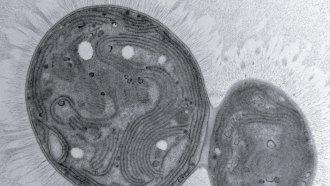
Meet Chonkus, a mutant microbe that could help fight climate change
A hulking marine cyanobacterium, Chonkus has traits that appears to make it especially good for storing away carbon on the ocean floor.
- Ecosystems
Analyze This: In movies, wetlands often get a bad rap
Swamps in films are often linked to danger, death and strange things. But movies also highlight wetlands’ biodiversity and resources.
- Brain
A single sniff is enough to detect slight odor changes
The speed of our ability to perceive odors is on par with that of color perception, a new sniff device shows.
- Ecosystems
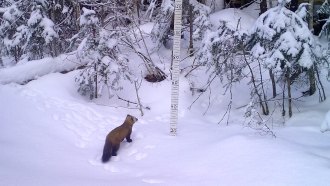
There’s life beneath the snow — but it’s at risk of melting away
The organisms that make winter homes in this subnivium help forests thrive year-round. But climate change is making this ecosystem disappear.
- Plants
Plant and fungi parts help robots level up
Fusing machines with plants and fungi isn’t just sci-fi. A new generation of biohybrid devices could someday help in agriculture or energy production.
- Brain
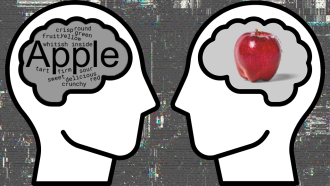
Scientists Say: Aphantasia
Not everyone has a “mind’s eye,” and that’s OK. Some people recall memories and process information in different ways altogether.
- Brain
Ouch! The pain of pulled hair registers superfast
A hair pull is detected by a protein used to sense light touches. It also travels faster than most other types of pain.
- Plants
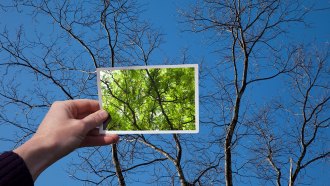
Explainer: How to identify tree species in the winter
No leaves to be found? Then buds, bark and branches might help you ID what tree you see.
- Brain
This neuroscientist looks at how your brain plans for the future
Freek van Ede studies how the brain selects information to plan for the future. He’s finding clues in the tiny movements people make with their eyes.
- Tech
Bird-inspired airplane wings could boost flight performance
Rows of flaps inspired by a bird wings’ feathers improve airfoil performance to boost lift and reduce drag.
- Tech
A man silenced by paralysis got his ‘voice’ back, thanks to AI
New computer-linked brain implants offer hope to those who have lost the ability to speak or move.
- Animals
Let’s learn about octopuses
These clever, color-changing cephalopods live all over the world.