Life
- Microbes
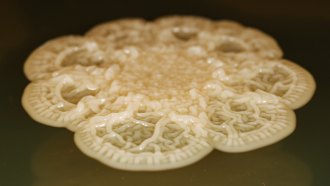
New type of division can split this microbe into 14 cells at once
The newfound strategy seen in C. matruchotii might help oral bacteria recover lost territory after each eviction by toothbrushing.
- Plants
Are plants intelligent? It seems to depend on how you define it
Plants can do a lot of the same things animals do: communicate, learn — even remember. Now scientists want to know if that means they’re intelligent.
- Fossils
Analyze This: How big was the biggest T. rex?
Only around 80 fossil Tyrannosaurus rex skeletons have been found. They probably don’t include the biggest T. rex that ever lived.
-
- Animals
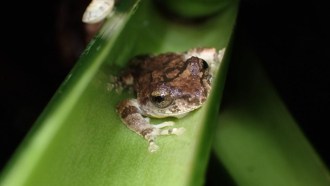
To keep their pools clean, some tadpoles don’t poop for weeks
Eiffinger’s tree frog tadpoles store their solid waste in an intestinal pouch. This releases less toxic ammonia into their watery cribs.
- Plants
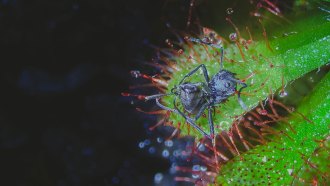
Insect-eating plants digest faster with a fungal friend
Insects stuck in sundews’ sticky goo break down faster when the plants host an enzyme-making fungus.
- Animals
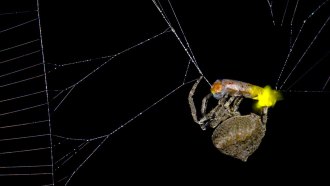
This spider traps flashy fireflies as bait to catch related prey
When stuck in an orb weaver spider’s web, male fireflies start to blink more like female fireflies — luring in more males.
- Climate
An ancient log shows how burying wood can fight climate change
A blanket of clay soil helped the wood hold onto the carbon it had absorbed — for thousands of years.
- Science & Society
Our brains might help explain why people disagree on politics
Differing political views may stem from our evolutionary past — and show up in distinct brain activity. Knowing this may help with challenging discussions.
- Brain
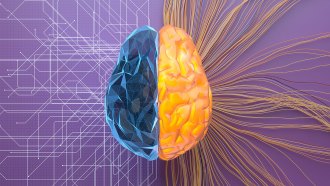
Why we aren’t really ‘left-brained’ or ‘right-brained’
The idea that we use different sides of the brains to be creative or logical is popular — but it’s not supported by science. Here’s why.
- Space
Why are scientists suddenly interested in UFOs?
For decades, science mostly ignored UFOs. Then in 2015 Navy pilots started reporting them. The U.S. government enlisted scientists to investigate.
- Animals
Werewolves could learn from other critters when to hunt
Werewolves aren’t the only creatures that undergo transformation under the full moon. But could weak werewolves be at risk of becoming prey?