Life
- Animals
A whale’s nearly four-hour-long dive sets a new record
Cuvier’s beaked whales may rely on large stores of oxygen, a slow metabolism and the ability to tolerate lactic acid to go for hours without surfacing for air.
- Animals
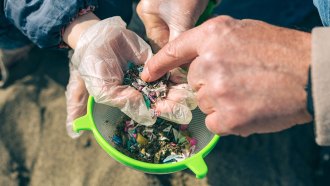
Polluting microplastics harm both animals and ecosystems
Researchers are beginning to uncover the real-world impacts of polluting microplastic bits on animals and the ecosystems they inhabit.
- Brain
Many student athletes face risk of concussions that heal slowly
High school girls and those with a history of concussions appear to take longest to recover.
- Agriculture
Learning what stresses queen bees could save their hives
Beehives often die off after the queen gets too stressed to make enough babies. New tests could identify what stressed her — and point to solutions.
- Animals
Here’s what bats ‘see’ when they explore the world with sound
High-speed cameras, fancy microphones and slick software are helping scientists get the best look yet at what bats perceive through echolocation.
- Chemistry
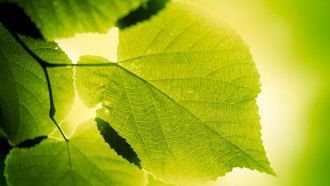
Explainer: How photosynthesis works
Plants can take in light, water and carbon dioxide, and send out sugar and oxygen. Here’s how it works.
- Physics
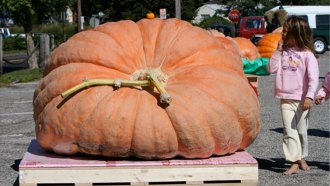
Here’s how giant pumpkins get so big
Cinderella took a ride in a pumpkin coach. Though real pumpkins do get big enough, here’s why their ride would be uncomfortable at best.
- Animals
One hummingbird survives cold nights by nearly freezing stiff
To survive a freezing night, hummingbirds in the Andes mountains go very still, slow their heart rate and let their body temperature plummet.
- Brain
Scientists Say: Narcotic
Scientists refer to a narcotic as a drug that stops pain, but the word can be used in other ways as well.
- Genetics
Gene editing can alter body fat and may fight diabetes
Researchers have long dreamed of using brown fat to fight obesity and diabetes. Work in animals shows they’re closing in on achieving that dream.
- Climate
The faster trees grow, the younger they die
As climate change spurs forest tree growth, it also shortens trees’ lives. That results in a quicker release of climate-warming carbon back into the atmosphere.
- Genetics
Some Neandertal genes may up the risk of severe COVID-19
Most of the affected people descend from communities in South Asia or live in Europe today.