Microbes
- Chemistry
Cooking up life for the first time
The basic components for life could have emerged together nearly 4 billion years ago on the surface of Earth, chemists report.
- Microbes
Life’s ultra-slow lane is deep beneath the sea
Biologists had suspected the deep seafloor would be little more than barren sediment. But they found a surprising amount of oxygen — and life.
- Health & Medicine
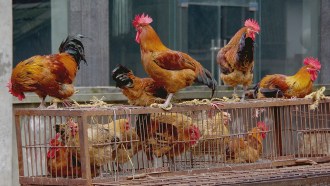
Chickens spread latest deadly bird flu
A new bird flu virus threatens to spread outside of China. Experts traced the germ to markets where live chickens are sold.
- Health & Medicine
Ongoing Ebola outbreak traced to hollow tree
Scientists suspect the current Ebola outbreak started with bats that lived in a hollow tree in Guinea. The outbreak's first victim, a two-year-old boy, often played in the tree.
- Health & Medicine
Cold noses nurture colds
The common cold infects the nose. Scientists long have known the virus grows better there, but not why. Now, a study finds the body’s defenses simply don’t work as well under the nose’s slightly cooler temperatures.
- Earth
Clouds may be dining cars for some germs
Scientists had known microbes could hitchhike across and between continents on clouds. New research now shows that some germs don’t just treat clouds as a high flying jet, but also as a cafeteria.
- Animals
Virus blamed in starfish die-off
A virus may explains the deaths of millions of starfish along the Pacific Coast of North America. The deaths affect 20 species. Some of the stricken animals appear to melt into puddles of slime.
- Genetics
How ‘bugs’ in our bellies impact our health
Gut bacteria can play a powerful role in human health, new studies show. In one, bacteria turned a nutrient in red meat into a chemical that boosts the risk of a heart attack. Another study shows that our genes play a role in whether we are fat or thin, probably by affecting which bacteria prefer to live in our intestines.
- Genetics
Germs help each other fend off antibiotics
Drug-resistant bacteria can cause persistent infections. A new study finds these germs fight drugs in different ways. And they can swap various compounds, increasing their neighbors’ chances of overcoming the drugs meant to kill them.
- Health & Medicine
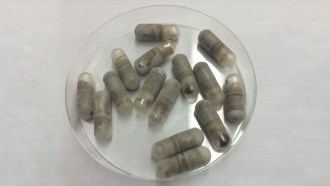
Pills of frozen poop fight killer disease
Popping poop pills? Of course it sounds yucky. But researchers find it might just be one of the most effective ways to knock out a very serious — and tough-to-kill — intestinal disease.
- Health & Medicine
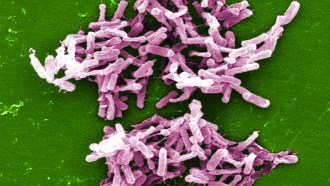
Explainer: What is C. difficile?
Over the past two decades, these severe bacterial infections have evolved from a no-big-deal occurrence to a common, life-threatening problem.
- Health & Medicine
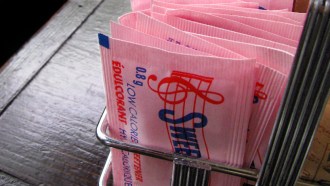
Artificial sweeteners may evict good gut microbes
People use saccharin and other artificial sweeteners to try to stay healthy. A study now suggests such sweeteners might actually cause harm by encouraging the wrong bacteria to grow in our guts.