Microbes
- Microbes
Explainer: What you can do to fight antibiotic resistance
Doctors and scientists are not the only people who can help preserve the effectiveness of life-saving antibiotics. Even patients have a role to play, as these tips show.
- Microbes
The HIV cure — that wasn’t
Immediate and aggressive drug treatment of a baby born with HIV appeared to have cured the girl. In fact, a follow-up shows, she still has the disease.
- Microbes
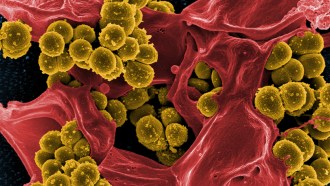
Superbugs: A silent health emergency
Have antibiotics become too popular? Overusing these medicines fuels resistant germs that pose a global health threat.
- Microbes
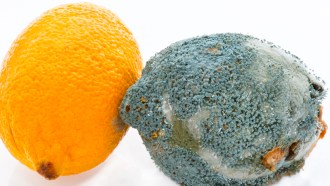
Explainer: Where antibiotics came from
A mold proved the source of the first known antibiotic: penicillin. But chemical dyes would lead to the first antibiotics used in treating people.
- Microbes
How a germ killer could backfire
A common ingredient in toothpaste and hand sanitizers kills germs on contact. But it also can kill the helpful germs that make water safer.
- Microbes
Convincing bacteria they’re alone
Caffeine may be the trick to confusing some bacteria into thinking they’ve not yet summoned enough troops to launch a successful attack on their host. It could prove an alternative to antibiotics for certain infections.
- Animals
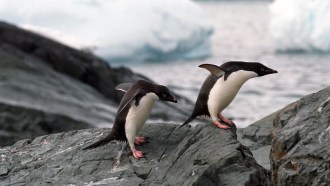
Even penguins get the flu
Scientists have just identified ‘live’ bird flu virus in Antarctic penguins. But the infections may not be novel. There are some signs these germs have been infecting local wildlife for up to 80 years.
- Health & Medicine
Infected cutting boards
Germs can hitchhike into the kitchen on meat and many types of produce. A new study finds that some of those germs are particularly nasty. They are immune to the one or more of the drugs doctors would prescribe to wipe out the infection.
- Health & Medicine
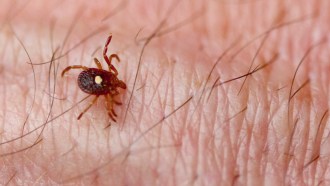
New ‘Heartland’ disease emerges in U.S. Midwest
A new viral disease causes major pain and flu-like symptoms. At present, no treatment or cure exists.
- Plants
Wily bacteria create ‘zombie’ plants
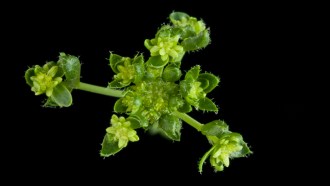
Scientists have discovered how some plant pathogens ensure their own survival by transforming flowering plants into strictly leaf-producing ones. These green ‘zombies’ attract insects that the parasites need to help them spread to other plants.
- Microbes
A success for designer life
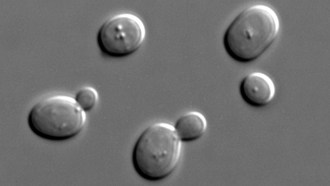
Synthetic biologists are scientists who create custom organisms in the lab. Their efforts have just taken a big step forward. They have created the first lab-made yeast chromosome. The advance could lead to entirely synthetic organisms customized to produce food, fuel or medicine.
- Animals
Sea otters picked up swine flu
A new study finds that large numbers of sea otters off of the U.S. Pacific coast have been exposed to the ‘pandemic’ type of this killer virus.