Plants
- Climate
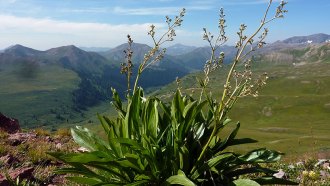
Climate closing the gender gap for this mountain flower
Among valerian plants, males like it hotter than the females do. So a warming climate has been speeding their migration up once-cool mountainsides.
- Chemistry
Identifying ancient trees from their amber
A Swedish teen’s analyses of a sample of amber may have uncovered a previously unknown type of ancient tree.
- Plants
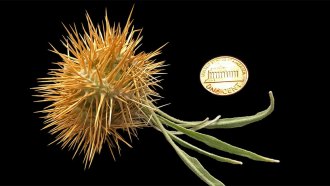
New species of terrifying tomato appears to bleed
A new species of Australian bush tomato bleeds when injured and turns bony in old age.
- Animals
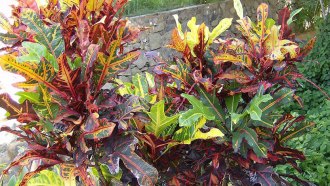
Common plant could help fight Zika virus
A teen discovered that extracts from leaves of the San Francisco plant (Codiaeum variegatum) kill larvae of the mosquito that helps spread the Zika and dengue fever viruses.
- Health & Medicine
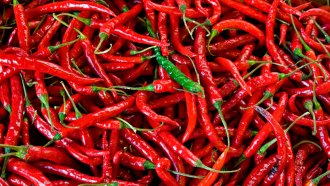
The cool science of hot peppers
Why are chili peppers spicy? Why does anyone crave food that burns? Uncovering this fiery veggie’s secrets could help fight pain and obesity.
- Animals
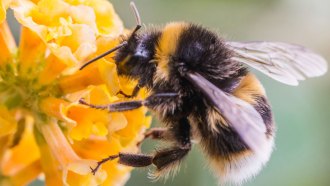
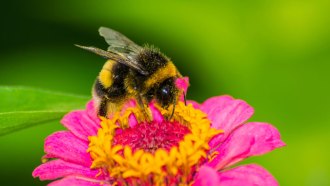
Pollen can become bee ‘junk food’ as CO2 rises
Increasing levels of the greenhouse gas are changing diminishing the food value of pollen, bees’ only source of protein.
- Animals
Spiders eat insects — and sometimes veggies
Plant-eating spiders have been found on every continent except Antarctica, a new study notes.
- Animals
Less brilliant flowers still keep bees coming back
Bumblebees prefer petals that aren’t overly shimmery. This suggests plants are attuned to what insects see.
- Health & Medicine
Explainer: Some supplements may not have what it takes
Dietary supplements made from plants may not contain all of the chemicals that usually make a particular plant healthy for humans.
- Plants
Before eating, Venus flytraps must ‘count’
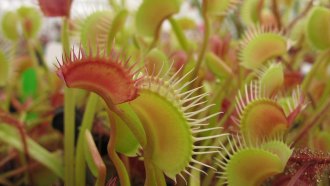
Researchers find that Venus flytraps respond to the number of times insects touch their sensory hairs. This tells them when it’s time to turn on digestion.
- Agriculture
Banana threat: Attack of the clones
Researchers find that disease-causing fungi — all clones of one another — will continue to infect banana plants unless new steps are taken to stop their spread.
- Plants
Scientists Say: Xylem
How do trees ferry water from the soil to branches hundreds of feet in the air? This week’s word is the answer.